
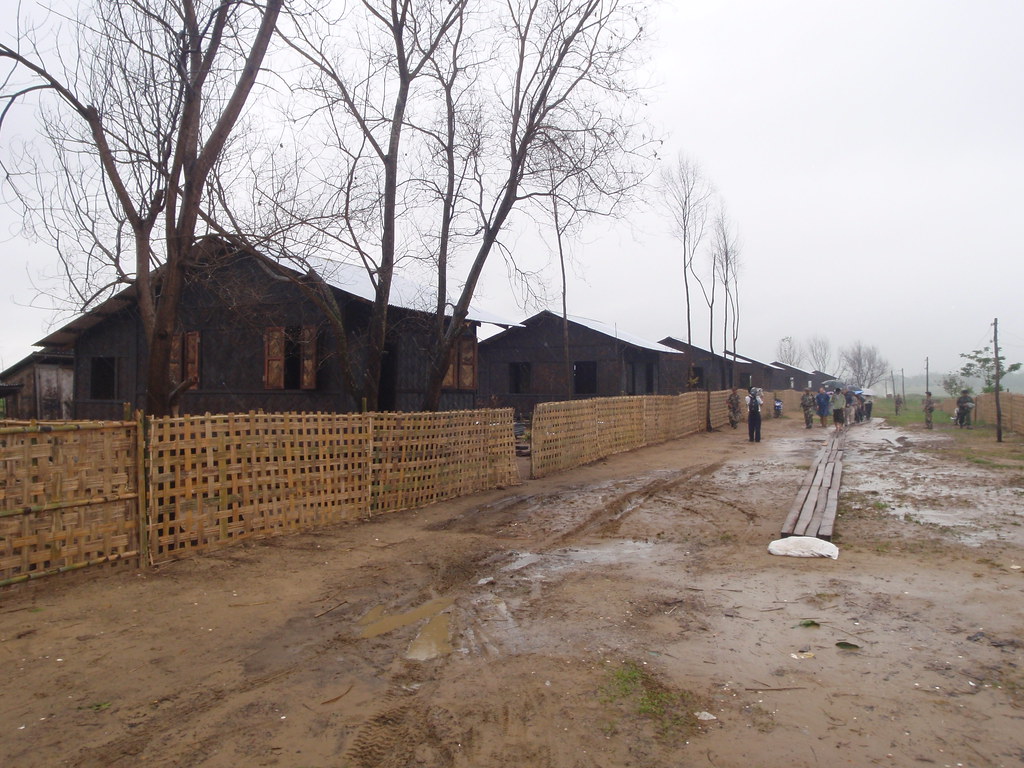
Rohingya return to Myanmar has gained renewed attention as India reiterates its support following a historic ICJ genocide ruling. This move highlights the ongoing humanitarian crisis and the complexities of refugee repatriation.
Background of the Rohingya Crisis
The Rohingya crisis, which began in 2017, has resulted in the mass displacement of hundreds of thousands of Rohingya Muslims from Myanmar to neighboring countries, particularly Bangladesh. The violence erupted after a military crackdown in Rakhine State, leading to allegations of ethnic cleansing and widespread human rights violations against the Rohingya population. The United Nations has described the situation as one of the most severe humanitarian crises in recent history.
Since their exodus, many Rohingya have sought refuge in Cox’s Bazar, Bangladesh, where they live in overcrowded camps with limited access to basic necessities such as food, water, and healthcare. The international community has called for the safe and dignified return of these refugees to Myanmar, emphasizing the need for a sustainable solution that addresses their rights and security.
In this context, India has reiterated its support for the Rohingya return to Myanmar. Following a historic ruling by the International Court of Justice (ICJ) regarding alleged genocide against the Rohingya, India has underscored the importance of a collaborative approach to facilitate their return. The Indian government aims to work closely with Myanmar and international organizations to ensure that the Rohingya can return home safely and with dignity.
- Military crackdown in Rakhine State
- Allegations of ethnic cleansing
- International calls for safe return
Understanding the ICJ’s Ruling
The International Court of Justice (ICJ) recently delivered a landmark ruling regarding the treatment of the Rohingya population, emphasizing the need for accountability and justice. This decision has significant implications for the Rohingya return to Myanmar, as it highlights the ongoing human rights violations faced by this ethnic group. The ICJ’s ruling calls for Myanmar to take all necessary measures to prevent genocide and to provide protection for the Rohingya people, who have endured years of persecution.
In its ruling, the ICJ acknowledged the severe plight of the Rohingya, who have been subjected to systematic violence and discrimination. The court underscored the urgent need for Myanmar to ensure safe and dignified conditions for those wishing to return. This ruling not only affirms the international community’s commitment to protecting human rights but also places pressure on Myanmar’s government to address the grievances of the Rohingya people.
India has expressed its unwavering support for the safe return of Rohingya refugees. The Indian government has reiterated its position, emphasizing the importance of addressing the humanitarian crisis and facilitating the repatriation process. As the ICJ’s ruling reverberates globally, it is hoped that it will catalyze efforts to ensure a sustainable and peaceful solution for the Rohingya return to Myanmar, paving the way for reconciliation and healing in the region.
India’s Role in Refugee Support
India has consistently played a pivotal role in supporting refugees, particularly in the context of the Rohingya crisis. Following the recent International Court of Justice (ICJ) ruling, which highlighted the need for accountability and justice for the Rohingya people, India reiterated its commitment to facilitating the safe return of Rohingya back to Myanmar.
The Indian government has recognized the humanitarian challenge posed by the influx of Rohingya refugees into the region. In response, several initiatives have been launched to ensure the welfare of these individuals while also addressing national security concerns. Key aspects of India’s support include:
- Humanitarian Assistance: India has provided essential supplies, including food, medical aid, and shelter, to Rohingya communities residing within its borders.
- Diplomatic Engagement: Indian officials have engaged with Myanmar’s government to discuss the safe and dignified repatriation of Rohingya refugees, focusing on creating conducive conditions for their return.
- Regional Cooperation: India has collaborated with neighboring countries to establish frameworks that promote the safe return of Rohingya to Myanmar, fostering a collective responsibility in addressing the crisis.
Through these efforts, India aims to uphold its humanitarian principles while advocating for the rights and dignity of the Rohingya people as they seek to return to Myanmar.
Reactions from the International Community
Reactions from the international community regarding the Rohingya return to Myanmar have been mixed, reflecting the complexities of the ongoing crisis. Many nations have expressed support for the safe and dignified repatriation of Rohingya refugees, while also voicing concerns about the conditions in Myanmar that led to their displacement.
Several human rights organizations have emphasized the need for a comprehensive plan that ensures the protection of the Rohingya people upon their return. Amnesty International and Human Rights Watch have called for international oversight to guarantee that the rights of returning Rohingya are respected and that the conditions in Rakhine State are conducive for their safe return.
Furthermore, the United Nations has maintained a critical stance, urging Myanmar to address the root causes of the crisis and provide assurances regarding the safety and security of the Rohingya upon their return. UN officials have reiterated that any repatriation must be voluntary and based on informed consent, ensuring that refugees do not face persecution upon returning to their homeland.
As discussions continue, the international community watches closely, understanding that the Rohingya return to Myanmar is not just a matter of geography but also a profound issue of human rights, dignity, and justice that requires a coordinated global response.
Challenges of Repatriation
The return of the Rohingya to Myanmar faces numerous challenges that complicate the repatriation process. Despite India’s commitment to support these refugees, several factors hinder their safe and dignified return.
- Security Concerns: Many Rohingya fear for their safety if they return to Myanmar, given the history of violence and persecution they encountered. The ongoing conflicts in Rakhine State further exacerbate these fears, making repatriation a daunting prospect.
- Lack of Infrastructure: The areas designated for return lack adequate infrastructure and resources to support returning refugees. Essential services such as healthcare, education, and housing are in dire need of improvement, raising concerns about the living conditions they would face.
- Political Instability: The political landscape in Myanmar remains volatile, with continued unrest and the military’s control over the government. This instability poses significant risks to the safe reintegration of the Rohingya community.
- Legal Status: The lack of clarity regarding the legal status of returning Rohingya complicates the repatriation process. Many do not possess the necessary documentation to prove their citizenship, which could lead to discrimination and marginalization upon their return.
As the Rohingya return to Myanmar is considered, these challenges must be addressed to ensure their rights and safety are upheld.
Future Prospects for Rohingya Refugees
As discussions surrounding the Rohingya return to Myanmar gain momentum, the future prospects for Rohingya refugees remain uncertain yet hopeful. Many factors will influence the feasibility of repatriation, including political stability in Myanmar, the security situation in Rakhine State, and the willingness of the Myanmar government to ensure the safety and rights of returning refugees.
International organizations, including the United Nations, continue to monitor the situation closely, advocating for the rights of the Rohingya people. The following elements are critical for a successful return:
- Safety and Security: Ensuring that returning Rohingya can live without fear of persecution is paramount.
- Access to Basic Services: Adequate provisions for housing, healthcare, and education must be in place to facilitate a smooth transition.
- Legal Recognition: The restoration of citizenship rights and legal recognition in Myanmar is essential to ensure that the Rohingya can reintegrate into society.
- International Cooperation: Continued support from countries like India and international NGOs will be crucial in the repatriation process.
Ultimately, the commitment from both the Myanmar government and the international community will play a significant role in determining the future of the Rohingya refugees and their potential return home.
The ongoing discussions about the Rohingya return to Myanmar highlight the importance of international support and collaboration. India’s proven support for refugees has been crucial in addressing the challenges faced by those awaiting the Rohingya return to Myanmar.
By EU Civil Protection and Humanitarian Aid via Openverse
Sources
Are Secret Security Zones the Best Solution for Australia? · Investment Protection Act: The Proven Path to Political Promises · Rohingya genocide ruling: Is it the Right Decision for Justice?