
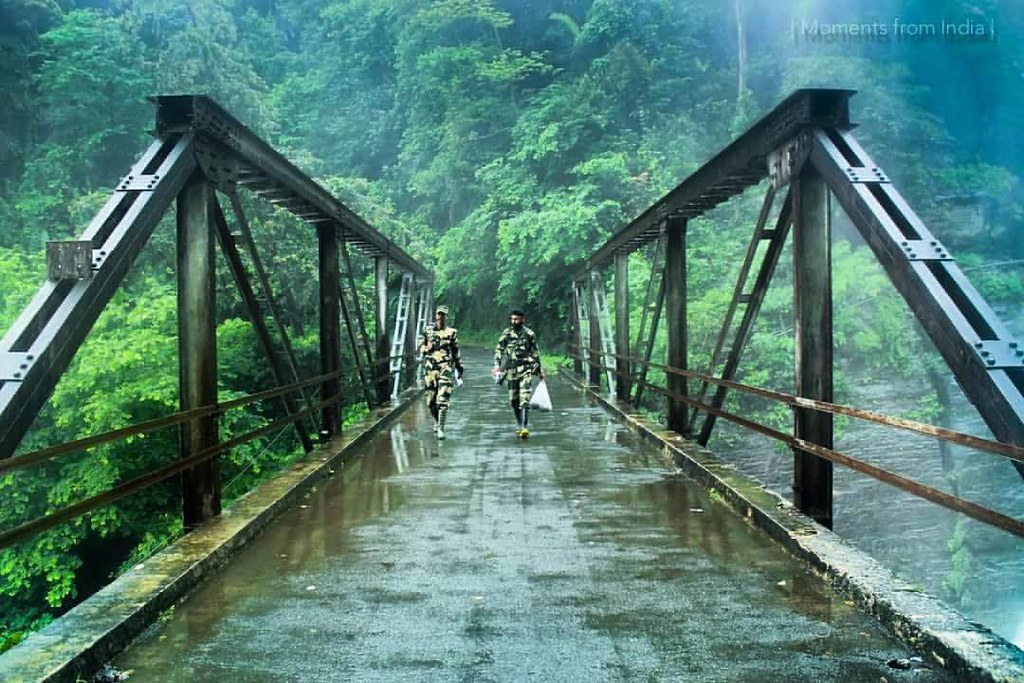
Bangladesh border security is being reinforced as the country prepares for Hasina’s planned return, with the deployment of 108 BGB platoons.
Overview of Bangladesh’s Border Security Measures
The security landscape along the Bangladesh border has become increasingly critical, prompting authorities to implement robust measures aimed at enhancing border security. In light of recent events, including the planned return of Prime Minister Sheikh Hasina, the government has deployed 108 Border Guard Bangladesh (BGB) platoons to various strategic locations.
These actions are part of a broader strategy to safeguard the nation’s borders against illegal crossings and smuggling activities. Key initiatives include:
- Increased Patrols: Regular patrols are conducted to monitor border activities closely.
- Surveillance Technology: Advanced surveillance systems are being utilized for real-time monitoring.
- Community Engagement: Collaboration with local communities to enhance information sharing.
Through these measures, Bangladesh aims to fortify its border security and ensure stability in the region.
Deployment of BGB Platoons Explained
The deployment of Border Guard Bangladesh (BGB) platoons is a critical element in enhancing Bangladesh border security. Recently, the government has mobilized 108 BGB platoons to reinforce their operational capabilities along the border. This strategy aims to address growing concerns over illegal crossings and smuggling activities.
Each platoon is equipped with specialized training and resources, enabling them to effectively monitor and patrol vast stretches of border areas. The presence of these forces not only deters potential illegal activity but also fosters a sense of security among local communities.
Key benefits of this deployment include:
- Increased surveillance: Enhanced monitoring of border regions.
- Rapid response: Quick reaction to security threats.
- Community engagement: Building trust and cooperation with local populations.
These measures reflect Bangladesh’s commitment to strengthening its border security framework.
Impact of Tightened Security on Citizens
The recent tightening of Bangladesh’s border security has sparked a range of reactions among citizens. Many residents express concerns over the increased military presence, fearing it may lead to unnecessary scrutiny and restrictions.
However, supporters argue that enhanced measures are vital for maintaining national integrity and preventing illegal activities. The deployment of BGB platoons aims to deter cross-border crime, which can positively impact local safety.
Citizens have noted both the pros and cons:
- Increased security: Many feel safer with a visible military presence.
- Potential for harassment: Some worry about overreach and the impact on daily life.
- Community trust: Effective communication between security forces and locals is crucial.
Ultimately, the balance between security and civil liberties remains a pressing concern for Bangladesh’s border security strategy.
Historical Context of Border Security in Bangladesh
The historical context of border security in Bangladesh reveals a complex interplay of challenges and responses. Over the years, the nation has faced significant issues related to illegal immigration, smuggling, and cross-border tensions. In response, the government has continuously adapted its strategies to enhance Bangladesh border security.
Initially, the deployment of the Border Guard Bangladesh (BGB) was a pivotal move aimed at reinforcing surveillance and control over the extensive and often porous borders. The increasing concerns over regional stability and security threats have further motivated the evolution of these measures.
Through various phases of development, including technological upgrades and strategic partnerships with neighboring countries, Bangladesh has sought to create a more robust framework for border management. This ongoing commitment reflects the nation’s dedication to ensuring safety and sovereignty amid evolving challenges.
Government’s Rationale Behind Increased Security
The government of Bangladesh has articulated a clear rationale behind the recent enhancement of border security. With the increasing challenges posed by illegal immigration and cross-border smuggling, authorities believe that a fortified border will help maintain national integrity and public safety. The Bangladesh border security measures, including the deployment of 108 BGB platoons, aim to deter potential threats and ensure the safety of local communities.
Officials emphasize that this strategy is not only about preventing illegal activities but also about fostering a sense of security among citizens. By reinforcing the borders, the government aims to reassure the populace that their safety is a top priority, especially with the impending return of Prime Minister Sheikh Hasina. This proactive approach is viewed as essential in addressing both immediate and long-term security concerns.
Reactions from Local Communities
Local communities have expressed mixed reactions to the recent tightening of Bangladesh border security. Some residents appreciate the enhanced measures, believing they will significantly reduce illegal crossings and trafficking. Mohammad Ali, a farmer living near the border, stated, “We feel safer knowing that the BGB is here to protect us from potential threats.”
However, not everyone is in favor of the increased presence of border guards. Fatima Rahman, a local shop owner, voiced concerns over the impact on daily life, saying, “While security is important, the heavy deployment can create tension in our community.”
Additionally, some have raised questions about the effectiveness of these measures in addressing the root causes of border issues. Overall, the diverse opinions highlight the complex balance between safety and community dynamics in the context of Bangladesh border security.
Future Implications for Border Management
The future implications for border management in Bangladesh are significant as the government continues to enhance its border security measures. With the recent deployment of 108 BGB platoons, the focus is not only on immediate security concerns but also on establishing a sustainable framework for long-term stability.
Experts suggest that improved Bangladesh border security can lead to:
- Enhanced Safety: A more secure border can reduce illegal crossings and smuggling activities.
- Better Resource Allocation: Increased funding and resources for border management can improve infrastructure.
- International Cooperation: Strengthened border security may foster better relations with neighboring countries.
- Community Engagement: Involving local communities in security initiatives can lead to more effective monitoring.
As Bangladesh navigates these changes, the balance between security and civil liberties will remain a critical discussion point.
In light of recent developments, enhancing Bangladesh border security has become a top priority for the government. Implementing advanced technologies and community engagement strategies will significantly improve Bangladesh border security and ensure safer borders.
By nihalparashar24 via Openverse