
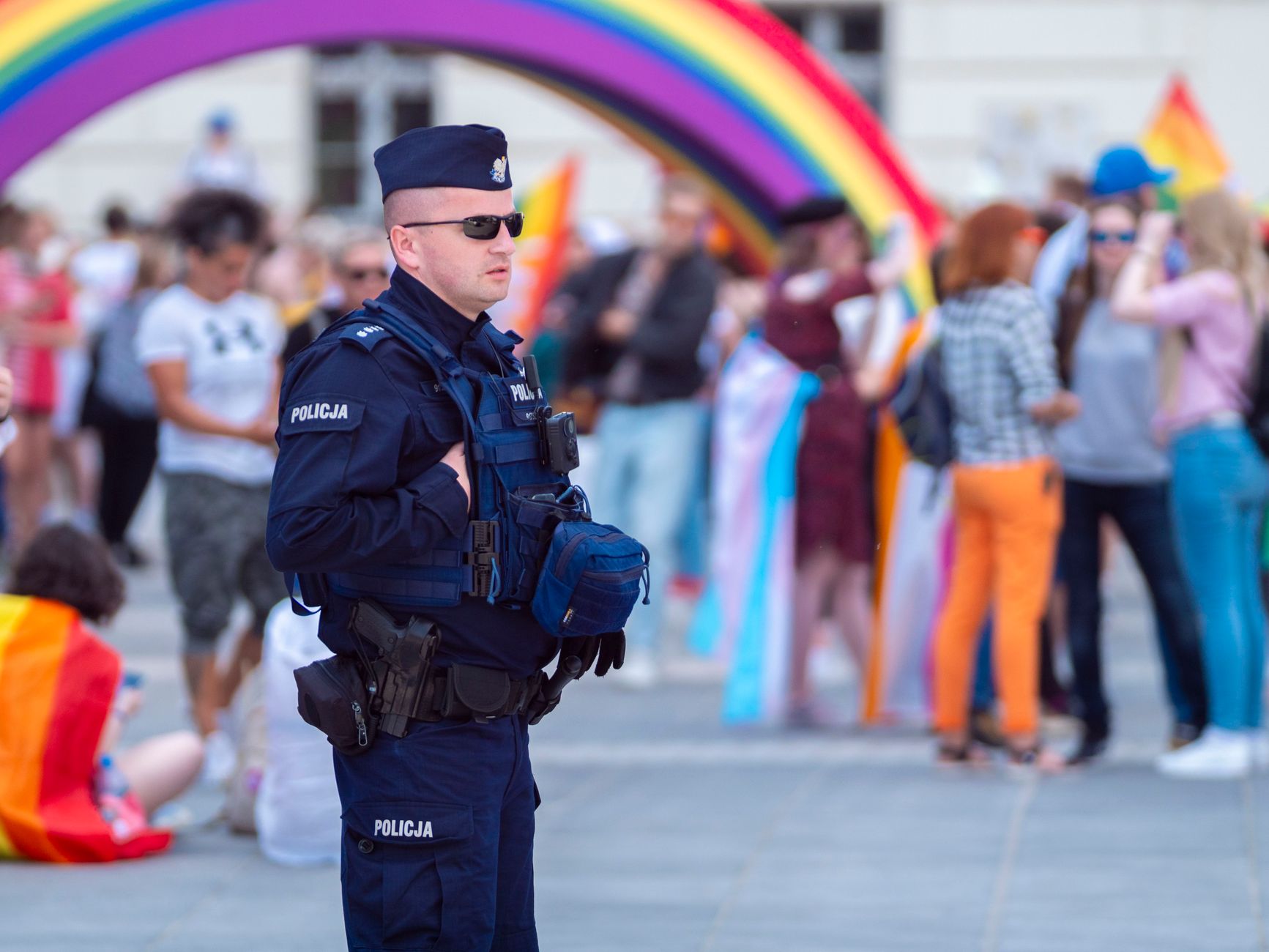
Viktor Orbán LGBTQ+ laws have sparked significant controversy as new legislation emerges to combat ongoing persecution. This shift aims to protect the rights of LGBTQ+ individuals in Hungary.
Overview of New Laws
The recent legal changes introduced by Viktor Orbán have sparked widespread debate and concern among human rights advocates and the LGBTQ+ community. These new laws are seen as a continuation of the government’s efforts to marginalize LGBTQ+ individuals in Hungary.
Key aspects of the legislation include:
- Restrictions on Education: The laws impose strict regulations on how LGBTQ+ topics can be taught in schools, effectively banning discussions that promote acceptance and understanding.
- Limitations on Media Representation: There are new regulations that limit the portrayal of LGBTQ+ individuals and issues in media and advertising, which critics argue further perpetuates stigma.
- Legal Recognition Issues: The laws also complicate legal recognition for same-sex couples, making it more challenging to access rights typically afforded to heterosexual couples.
These changes have led to accusations that Viktor Orbán’s LGBTQ+ laws are not only discriminatory but also detrimental to Hungary’s international standing regarding human rights. As resistance grows, many are calling for urgent reforms to protect the rights of all citizens.
Impact on LGBTQ+ Community
The recent changes in Viktor Orbán’s LGBTQ+ laws have sparked significant concern among advocates and community members alike. The government has implemented regulations that many believe directly target the rights and freedoms of LGBTQ+ individuals, leading to widespread protests and calls for reform.
Critics argue that these legal changes have created a hostile environment for LGBTQ+ people, resulting in:
- Increased discrimination: Many LGBTQ+ individuals are reporting higher instances of workplace and societal discrimination.
- Restricted access to resources: Support services that cater to the LGBTQ+ community are facing funding cuts and increased scrutiny.
- Fear of persecution: The laws have instilled a sense of fear among individuals who may identify as LGBTQ+, leading some to conceal their identities.
As advocates rally against these measures, the question remains: will the international community respond effectively to counteract the impact of Viktor Orbán’s LGBTQ+ laws, or will these changes continue to marginalize an already vulnerable population?
International Reactions
International reactions to Viktor Orbán’s LGBTQ+ laws have been mixed, with many countries expressing concern over the implications for human rights and equality. Several Western nations, including those in the European Union, have condemned the legislation, stating that it undermines fundamental freedoms and promotes discrimination.
Human rights organizations have also voiced their disapproval, highlighting the potential for increased violence and social stigma against LGBTQ+ individuals in Hungary. Activists argue that these laws set a dangerous precedent that could inspire similar legislation in other countries.
In contrast, some supporters within Hungary view the laws as a necessary measure to protect traditional family values. They argue that the government’s stance aligns with the cultural and social beliefs of many citizens.
Despite the divided opinions, the ongoing debate about Viktor Orbán’s LGBTQ+ laws suggests a growing tension between progressive values and conservative ideologies across Europe. As Hungary faces pressure from the international community, it remains uncertain how the situation will evolve in the coming months.
- European Union officials urging Hungary to reconsider
- Human rights organizations pushing for accountability
- Supporters claiming protection of national values
Historical Context of LGBTQ+ Rights in Hungary
Hungary’s journey regarding LGBTQ+ rights has been tumultuous, especially in the context of Viktor Orbán’s LGBTQ+ laws. Historically, the country made significant strides after the fall of communism in 1989, with the decriminalization of homosexuality and the introduction of registered partnerships in 2009. However, this progress began to reverse as Orbán’s government tightened its grip on civil liberties.
In recent years, a series of legal changes have emerged that many advocates describe as discriminatory. These policies, perceived as a direct attack on LGBTQ+ rights, include bans on same-sex adoption and restrictions on discussions about sexual orientation in schools. The government has framed these measures as part of a broader agenda to protect traditional family values.
International organizations have repeatedly criticized Hungary’s stance, highlighting the detrimental effects on the LGBTQ+ community. The historical context of LGBTQ+ rights in Hungary serves as a reminder of the ongoing struggle for equality, raising questions about the future amid Viktor Orbán’s LGBTQ+ laws.
Activists continue to fight for recognition and rights, pushing back against what they see as oppressive legislation.
Future of LGBTQ+ Legislation in Europe
The future of LGBTQ+ legislation in Europe remains uncertain, particularly in Hungary, where Viktor Orbán’s LGBTQ+ laws have sparked significant debate. As countries across the continent grapple with issues of equality and human rights, Hungary’s approach serves as a stark contrast to more progressive nations.
Many activists fear that Orbán’s policies could set a troubling precedent for other governments contemplating similar measures. Key areas of concern include:
- Legislative Backlash: The potential for backlash against rights previously secured in other countries could arise if Hungary’s laws inspire similar actions elsewhere.
- Increased Polarization: Orbán’s stance has led to deeper divisions within Hungarian society, complicating efforts to promote inclusivity and acceptance.
- International Pressures: European Union institutions may increasingly challenge Hungary on its human rights record, potentially impacting its funding and political standing.
In this complex landscape, the future of LGBTQ+ legislation hinges not only on local dynamics but also on the broader European commitment to uphold and protect the rights of all individuals regardless of sexual orientation or gender identity.
The Viktor Orbán LGBTQ+ laws have sparked widespread criticism from human rights advocates and organizations around the world. Many argue that these laws undermine the fundamental rights of individuals and discriminate against the LGBTQ+ community.
Photo by SHOX ART on Pexels
Read the original
Related reading
Reform donations legality: Is it the worst law change ever? · China overseas travel law: Is it the worst new restriction? · Rule of Law: The Right Path to Proven Growth