
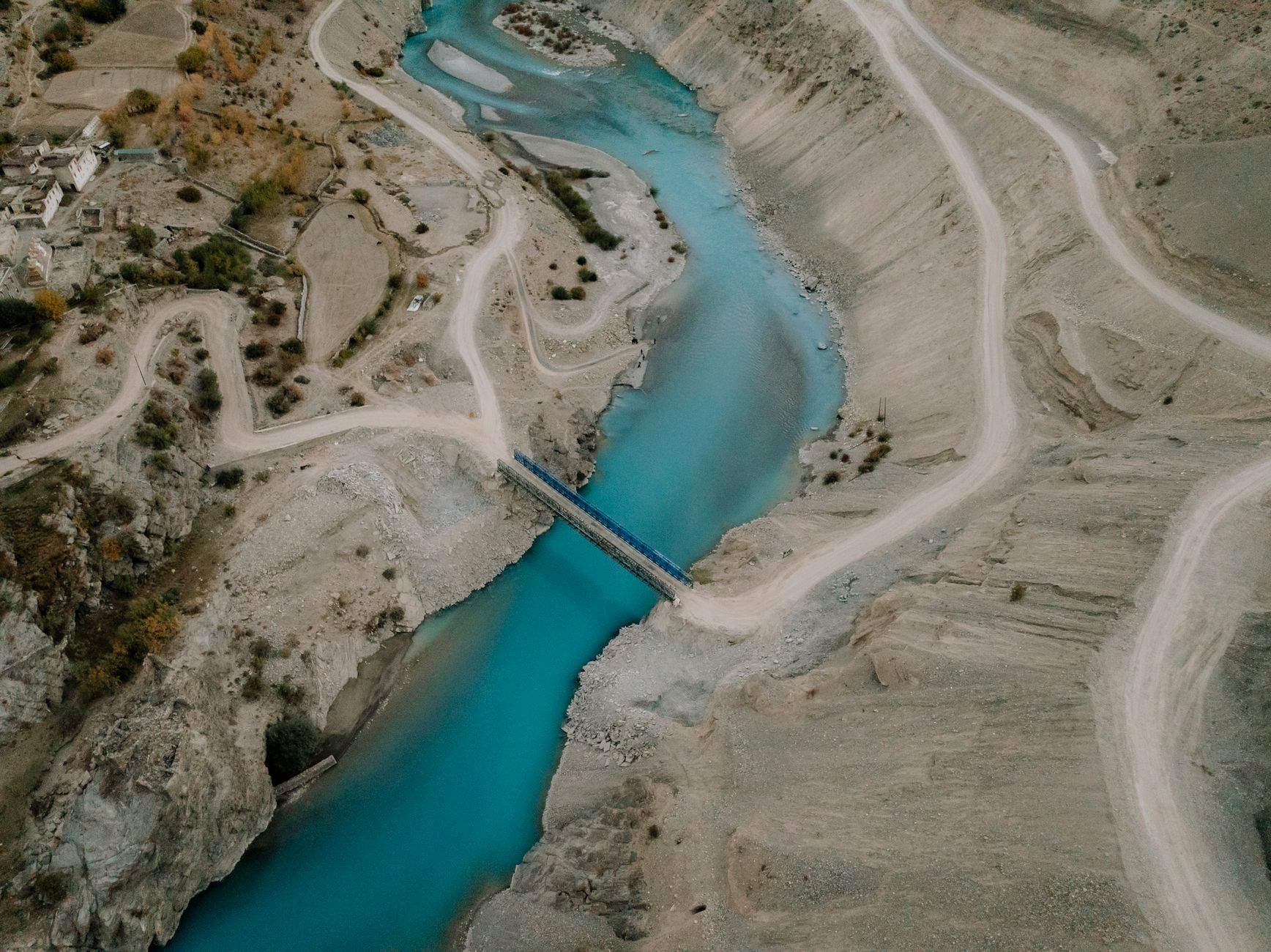
Indus Waters Treaty arbitration has become a contentious issue as India rejects Pakistan’s attempt to frame it as a valid ruling. This development underscores the ongoing legal disputes between the two nations.
Background of the Indus Waters Treaty
The Indus Waters Treaty, signed in 1960 between India and Pakistan, governs the use of water resources from the Indus River system. This agreement was brokered by the World Bank and aims to allocate the waters of six rivers: the Indus, Jhelum, and Chenab for Pakistan, and the Ravi, Beas, and Sutlej for India. Over the decades, the Treaty has served as a framework for resolving disputes related to water sharing.
However, tensions have escalated in recent years, particularly concerning the interpretation and implementation of certain provisions. The recent arbitration related to the Indus Waters Treaty has sparked controversy, with India rejecting Pakistan’s claims of a valid ruling. India argues that the arbitration process is flawed and does not align with the original spirit of the Treaty.
The implications of this disagreement extend beyond water management, as both nations view the Treaty as a symbol of their sovereignty and rights. As such, the arbitration process continues to be a contentious issue, raising questions about the future of water relations in the region.
Recent Developments in the Dispute
Recent developments in the ongoing dispute surrounding the Indus Waters Treaty arbitration have intensified tensions between India and Pakistan. India has categorically rejected Pakistan’s portrayal of the arbitration ruling as valid, claiming it does not align with the treaty’s provisions. This rejection marks a significant escalation in diplomatic exchanges between the two countries.
Pakistan argues that the arbitration decision should be recognized as binding, emphasizing its commitment to the principles outlined in the Indus Waters Treaty. However, India contends that the ruling is flawed and undermines the spirit of cooperation established in the treaty. The Indian government has expressed concerns over the implications of the ruling, stating that it may lead to further complications in water-sharing agreements.
As both nations engage in dialogues to resolve the issue, experts are closely monitoring the situation. The potential for renewed tensions looms large, and the international community is watching how both sides navigate this complex dispute. Key stakeholders continue to call for constructive dialogue to address the concerns raised by the Indus Waters Treaty arbitration.
Legal Implications of Arbitration
The recent Indus Waters Treaty arbitration ruling has significant legal implications for both India and Pakistan. As both nations navigate the complexities of water rights and distribution, the arbitration process has introduced uncertainty regarding compliance and enforcement of the treaty’s provisions.
India has firmly rejected the arbitration outcome, asserting that it lacks validity and does not adhere to the treaty’s terms. This position underscores a broader concern about the effectiveness of international arbitration in resolving bilateral disputes. The following points highlight the potential legal ramifications:
- International Law Precedent: The ruling may set a precedent for future arbitration cases involving bilateral treaties, affecting how nations approach similar disputes.
- Compliance Challenges: If one party refuses to accept the ruling, it raises questions about the enforcement mechanisms available under international law.
- Diplomatic Strain: The dispute over the arbitration ruling could exacerbate tensions between India and Pakistan, impacting diplomatic relations.
As both countries assess their next steps, the fallout from this ruling could reshape the landscape of water management in the region.
India’s Stance on the Treaty
India has firmly reiterated its stance regarding the Indus Waters Treaty arbitration, emphasizing its belief that the recent ruling lacks validity. The Indian government argues that the arbitration process was flawed and does not align with the original principles outlined in the treaty. Officials have expressed concerns that the ruling undermines India’s water security and sovereignty.
In a statement, a senior official highlighted the following points:
- Historical Context: India maintains that the treaty was designed to ensure a fair distribution of water resources, and any arbitration should respect its foundational principles.
- Legal Grounds: India’s legal team is currently exploring all possible avenues to challenge the arbitration ruling, asserting it is non-binding.
- International Relations: The ruling could potentially strain relations between India and Pakistan, as it may be perceived as favoring one party over the other.
Overall, India’s position remains steadfast in rejecting the legitimacy of the arbitration, asserting that it does not conform to the established legal framework of the treaty.
Pakistan’s Response to India’s Rejection
In response to India’s recent rejection of the arbitration ruling concerning the Indus Waters Treaty, Pakistan has expressed strong discontent and disappointment. According to Pakistani officials, the ruling was not only valid but crucial for ensuring compliance with the treaty’s framework. They argue that India’s dismissal undermines the established mechanisms for resolving disputes under the treaty.
Pakistan’s Foreign Ministry issued a statement emphasizing the importance of adhering to international arbitration processes. The ministry stated, “We remain committed to the principles of the Indus Waters Treaty and expect India to honor its obligations under international law.” The statement further highlighted that Pakistan views the arbitration as a necessary step towards maintaining peace and stability in the region.
Additionally, analysts suggest that this disagreement may escalate tensions between the two nations. As the dispute continues, Pakistan is likely to seek further support from international bodies to uphold the validity of the Indus Waters Treaty arbitration, reinforcing its stance on the matter.
International Reactions to the Dispute
The recent arbitration concerning the Indus Waters Treaty has garnered significant international attention, eliciting varied reactions from different countries and organizations.
Several nations have expressed concern over the ruling, emphasizing the need for peaceful dialogue to resolve the ongoing disputes. United States officials highlighted the importance of both India and Pakistan adhering to international agreements and finding common ground.
In contrast, some regional powers have sided with Pakistan, asserting that the arbitration represents a legitimate path to dispute resolution. They argue that India’s rejection of the ruling undermines the treaty’s integrity and could set a concerning precedent for future negotiations.
Global organizations, including the United Nations, have called for a renewed commitment to the Indus Waters Treaty and urged both nations to engage in constructive dialogue. They stress that the long-term stability of the region hinges on cooperative water resource management.
The differing perspectives underscore the complexities surrounding the Indus Waters Treaty arbitration, revealing the challenges in achieving consensus on such a pivotal issue.
Future of the Indus Waters Treaty
The future of the Indus Waters Treaty remains uncertain as both India and Pakistan grapple with the implications of the recent arbitration ruling. With India firmly rejecting the arbitration’s validity, tensions have escalated, raising concerns about the treaty’s longevity and effectiveness in managing water resources between the two nations.
As the dispute continues, the possibility of further negotiations remains, but both countries are entrenched in their positions. India emphasizes the need to uphold the treaty’s integrity while Pakistan insists on adherence to the arbitration process. The ongoing dialogue, or lack thereof, could directly impact hundreds of millions of people who depend on the Indus River system for their livelihoods.
Additionally, the role of international stakeholders, including third-party nations and organizations, may become pivotal in mediating the conflict. The potential for renewed discussions or escalated tensions hinges on the willingness of both parties to engage constructively. Ultimately, the future of the Indus Waters Treaty and its arbitration will depend on the diplomatic efforts and commitments of India and Pakistan in the coming months.
The recent decision in the Indus Waters Treaty arbitration has sparked significant controversy among the involved nations. Critics argue that the ruling undermines the principles established in the Indus Waters Treaty arbitration framework.
Photo by Harsh Kukadiya on Pexels
Read the original
Related reading
FDA Animal Testing Law: Clear Steps to Compliance · International Students Relief: Clear Path to Legal Status · ReT Aspirants Engagement: Is It the Worst Delay Ever?