
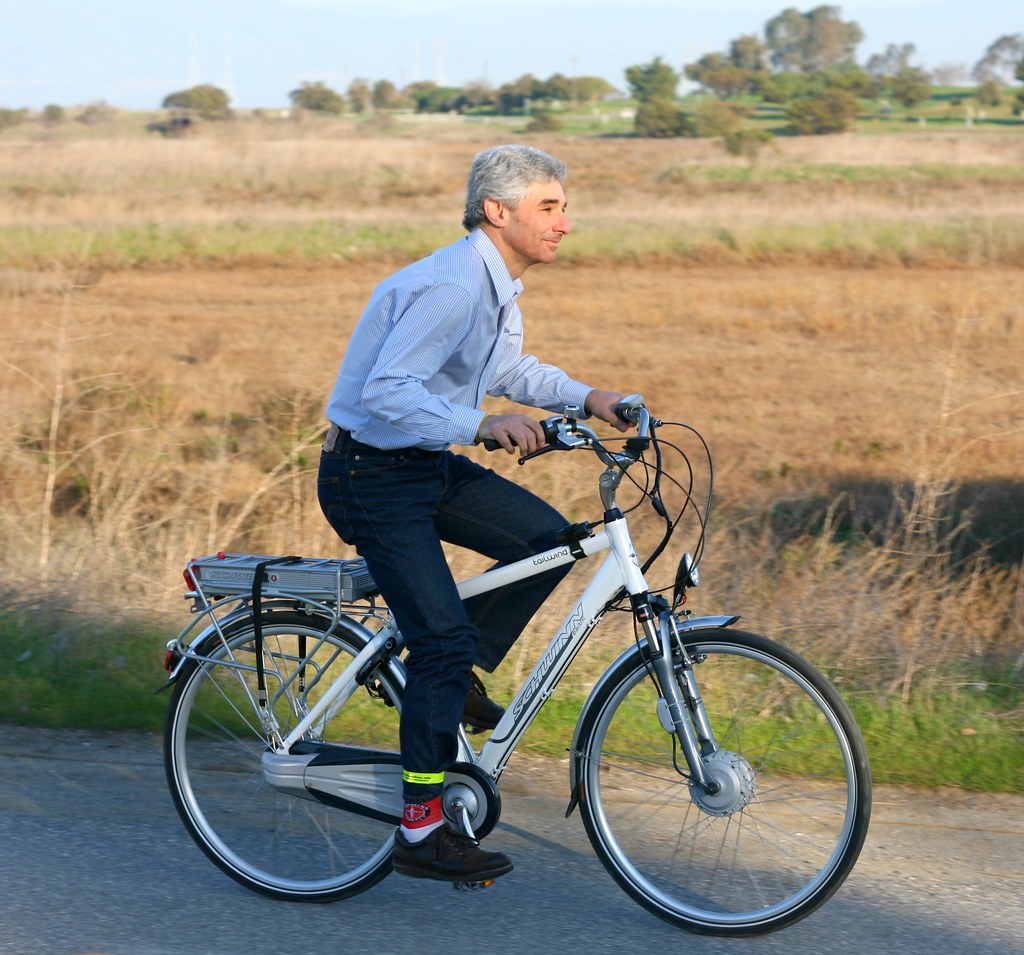
Electric bike laws are set to change significantly in London as Sadiq Khan announces a major crackdown. This initiative aims to address safety concerns and improve regulations surrounding electric bikes.
Overview of the New Electric Bike Laws
In a significant move aimed at enhancing road safety, London Mayor Sadiq Khan has announced a comprehensive crackdown on electric bikes. This initiative comes ahead of sweeping law changes that are expected to redefine the regulations surrounding the use of electric bikes in the city. The new electric bike laws are designed to address growing concerns regarding the safety of cyclists and pedestrians alike.
The proposed legislation will focus on several key areas:
- Speed Limits: Stricter speed limits will be enforced to ensure that electric bikes do not pose a danger to other road users.
- Licensing and Registration: New requirements for licensing and registration will help identify electric bike users, promoting accountability.
- Safety Equipment: Mandatory use of helmets and other safety gear will be introduced to protect riders in case of accidents.
- Restricted Zones: Certain areas may be designated as no-go zones for electric bikes to prevent collisions in crowded spaces.
These measures aim to create a safer environment for everyone on the road, balancing the growth of electric bike usage with the necessity of public safety.
Sadiq Khan’s Vision for Safer Streets
In a bold move towards enhancing public safety, London Mayor Sadiq Khan has outlined his vision for safer streets amid the new electric bike laws. His approach seeks to address the growing concerns surrounding the safety of cyclists and pedestrians alike. Khan’s initiative comes as part of a broader strategy to regulate the use of electric bikes in the capital.
One of the key aspects of Khan’s vision is to ensure that all cyclists adhere to strict safety standards. This includes:
- Mandatory registration for electric bikes
- Stricter penalties for reckless riding
- Enhanced infrastructure for cycling lanes
- Increased public awareness campaigns
Khan emphasized the importance of these measures in creating a safer environment for all road users. He believes that by implementing comprehensive regulations on electric bikes, the city can reduce accidents and foster a culture of responsible riding. As London prepares for the upcoming changes, the focus remains on balancing innovation with safety, ensuring that electric bikes contribute positively to urban mobility.
Impact of Electric Bikes on Urban Mobility
The rise of electric bikes has significantly transformed urban mobility, providing an alternative mode of transport that is both efficient and environmentally friendly. However, as the popularity of these bikes grows, so do concerns regarding safety and regulation. The recent announcement from London Mayor Sadiq Khan highlights the urgent need to address electric bike laws to ensure safer streets for all users.
Electric bikes offer numerous benefits, including:
- Reduction in traffic congestion
- Lower carbon emissions compared to traditional vehicles
- Encouragement of a more active lifestyle
Despite these advantages, the rapid increase in electric bike usage has raised questions about rider behavior and the need for stricter regulations. Issues such as:
- Inadequate infrastructure for safe riding
- Increased accidents involving pedestrians and cyclists
- Unregulated speeds leading to dangerous situations
The implementation of new laws aims to create a balanced approach that promotes the use of electric bikes while prioritizing public safety and accessibility.
Public Reaction to the Proposed Changes
The proposed changes to electric bike laws have sparked a significant response from the public, with opinions divided on the necessity and impact of these regulations. Many cyclists and electric bike enthusiasts argue that the new laws could hinder the growth of eco-friendly transportation methods. They express concerns that stricter rules may discourage riders from adopting electric bikes, which are seen as a sustainable alternative for urban commuting.
Conversely, safety advocates support the government’s initiative, emphasizing the need for a safer riding environment amid rising incidents of accidents involving electric bikes. They believe that implementing regulations could lead to better-trained riders and a more organized traffic flow. Local residents have also voiced their opinions, with some calling for a balance between regulation and accessibility.
- Positive Reactions: Support for safer streets and better regulations.
- Negative Reactions: Concerns about limiting eco-friendly transport options.
- Calls for Balance: The need for regulations without discouraging electric bike usage.
As the debate continues, the outcome of these electric bike laws will likely shape the future of urban mobility in London.
Comparative Analysis of Electric Bike Regulations
As cities around the world grapple with the rise of electric bikes, a comparative analysis of electric bike laws reveals significant disparities in regulations. Different regions adopt varied approaches, reflecting local priorities and safety concerns.
- United States: Many states have embraced electric bikes, categorizing them into classes based on speed and power. Regulations often focus on where these bikes can operate, with some cities permitting them on bike paths while others impose restrictions on sidewalks.
- Europe: Countries like the Netherlands and Germany have established clear frameworks for electric bike usage. These laws emphasize safety features, such as mandatory lights and bells, and often require riders to wear helmets.
- Asia: In nations such as China, electric bikes are ubiquitous, yet regulations can be inconsistent. Some cities enforce strict licensing and registration, while others adopt a more lenient stance, leading to safety concerns.
This comparative analysis shows that as electric bike laws evolve, the need for standardized regulations becomes increasingly crucial to ensure user safety and promote responsible riding across all urban environments.
Safety Concerns with Electric Bikes
As electric bikes gain popularity, safety concerns have surged among city officials and residents alike. The rise of electric bikes has led to a significant increase in incidents involving pedestrians and cyclists, prompting city leaders to reconsider existing regulations. Many argue that the current electric bike laws do not adequately address the potential dangers posed by faster and heavier e-bikes.
Recent surveys reveal that a majority of Londoners support stricter regulations on electric bike usage. Key safety issues highlighted include:
- Speed Limits: Many e-bikes can reach speeds that outpace traditional bicycles, increasing the risk of accidents.
- Licensing Requirements: Calls for mandatory licensing and registration have emerged to ensure that riders are trained and accountable.
- Infrastructure Improvements: The need for dedicated bike lanes and better signage is essential for minimizing collisions.
Furthermore, a lack of clear electric bike laws has left riders confused about the rules of the road, leading to inconsistent compliance and increasing the likelihood of accidents. As the city moves forward with new regulations, the focus remains on balancing the benefits of e-bikes with the imperative of public safety.
Future of Urban Transport in London
As London embarks on a transformative journey towards safer urban transport, the future of electric bike laws stands at the forefront of this evolution. The city is witnessing a significant shift in how residents and commuters perceive electric bikes, aiming to integrate them more seamlessly into the urban landscape.
With the recent announcement from Mayor Sadiq Khan, there is a clear intention to create a framework that embraces innovation while prioritizing safety. The proposed regulations will address various aspects of electric bike usage, including:
- Licensing and Registration: A potential requirement for riders to register their e-bikes, ensuring accountability.
- Speed Limits: Setting maximum speed thresholds to reduce the risk of accidents.
- Infrastructure Improvements: Enhancing bike lanes and creating designated areas for electric bike parking.
As London moves forward, the implementation of these electric bike laws is expected to foster a culture of responsible riding, enhancing public safety and encouraging more people to embrace this eco-friendly mode of transport.
What This Means for Electric Bike Users
The recent announcement of new electric bike laws by Sadiq Khan signals a significant shift in how electric bike users will navigate London’s streets. These regulations aim to enhance safety and accountability for both cyclists and pedestrians.
For electric bike users, this means adhering to stricter rules regarding speed limits and equipment standards. The laws will require riders to ensure their bikes meet specific safety criteria, including functional brakes and proper lighting. Failure to comply could result in fines and penalties.
Moreover, users will need to be more vigilant about where they ride. The introduction of designated lanes for electric bikes is intended to reduce accidents and conflicts with pedestrians. Regular checks and potential licensing for electric bike users are also on the horizon, promoting responsible riding practices.
As these laws come into effect, electric bike users may also need to participate in educational programs to better understand their rights and responsibilities. While these changes may seem restrictive, they are aimed at fostering a safer environment for all road users in London.
The recent changes in electric bike laws aim to enhance safety for all road users. Advocates believe that stricter electric bike laws will lead to more responsible riding behavior and reduce accidents.
By Richard Masoner / Cyclelicious via Openverse