
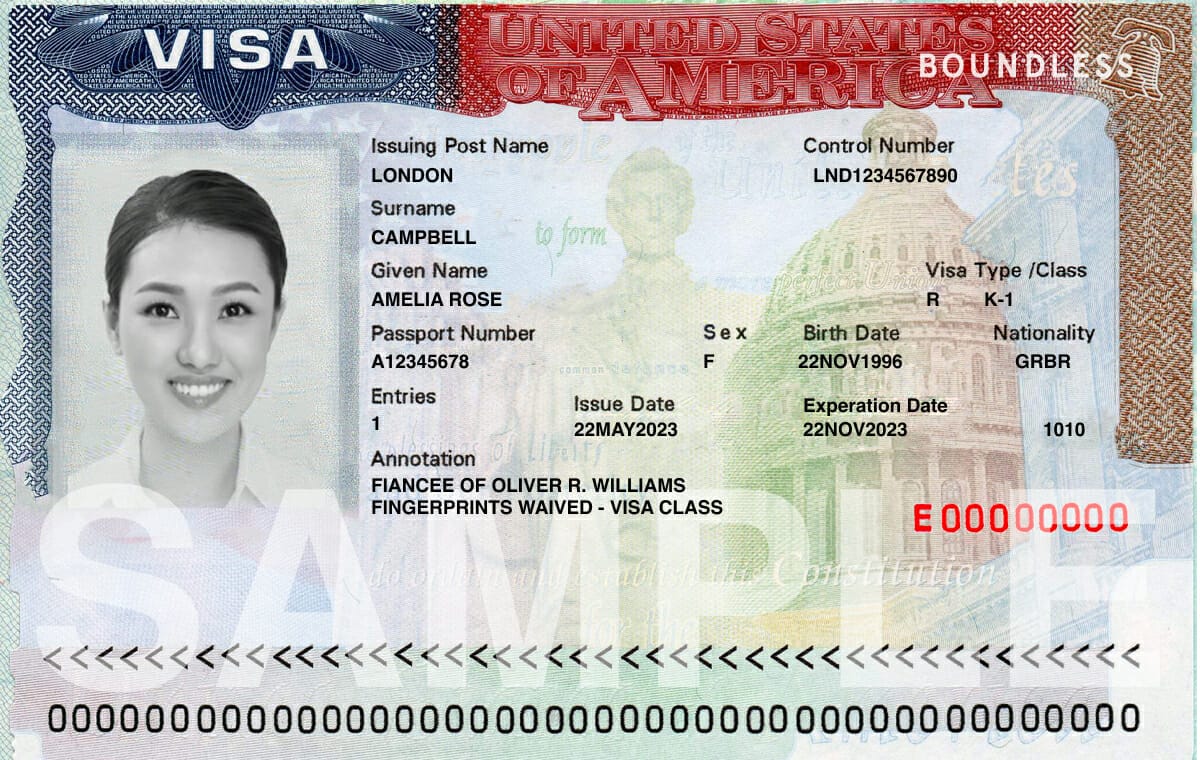
The K-1 fiancé visa allows a foreign national to enter the United States to marry a U.S. citizen within 90 days of arrival. While the process may appear straightforward, the evaluation of evidence plays a critical role in determining whether a petition is approved. U.S. immigration authorities closely examine documentation to confirm that the relationship is genuine and meets all legal requirements. Understanding how evidence is reviewed can help applicants avoid delays and unnecessary complications, particularly when working with a K-1 visa lawyer in Atlanta, GA.
Why Evidence Is So Important in K-1 Visa Cases
The K-1 visa is designed to prevent immigration fraud, which means USCIS and consular officers apply a high level of scrutiny to each application.
The Purpose of Evidence Review
Immigration officers evaluate evidence to confirm:
- The relationship is bona fide
- Both parties are legally free to marry
- The couple has met in person within the required timeframe
- The intent to marry within 90 days is genuine
Insufficient or inconsistent documentation can lead to requests for additional evidence or denial.
What Types of Evidence Are Required for a K-1 Visa?
Evidence submitted with a K-1 visa petition must demonstrate the legitimacy of the relationship and compliance with immigration rules.
Primary Evidence Categories
USCIS and the U.S. consulate typically expect documentation in the following areas:
- Proof of relationship
- Proof of in-person meeting
- Proof of intent to marry
- Identity and civil documents
Each category serves a specific purpose in the evaluation process.
How Relationship Evidence Is Evaluated
Demonstrating a genuine relationship is one of the most important aspects of a K-1 visa application.
Common Forms of Relationship Evidence
Applicants often submit:
- Photos together over time
- Travel records showing visits
- Communication logs (messages, emails, call history)
- Statements from friends or family
Officers look for consistency and a logical timeline rather than volume alone.
What Officers Look For in Relationship Proof
During review, officers assess:
- Frequency and duration of contact
- Natural progression of the relationship
- Alignment between written statements and supporting documents
Evidence that appears staged or inconsistent may raise concerns.
How Proof of In-Person Meetings Is Reviewed
U.S. law requires that the couple has met in person at least once within the two years before filing the petition, unless a waiver applies.
Acceptable Proof of Meeting in Person
Common documents include:
- Flight itineraries and boarding passes
- Passport stamps
- Hotel reservations
- Photos taken during visits
These documents should clearly show dates and locations that match the claimed meetings.
Evaluating Intent to Marry Within 90 Days
Intent to marry is a legal requirement for the K-1 visa and must be supported with evidence.
Types of Intent Evidence
Applicants may submit:
- Written statements signed by both parties
- Wedding planning correspondence
- Venue inquiries or receipts
- Engagement announcements
While a wedding date is not required at the petition stage, officers expect credible plans and genuine intent.
How Financial and Background Evidence Is Assessed
Financial eligibility and admissibility are reviewed at different stages of the K-1 visa process.
Financial Documentation
Although the Affidavit of Support is formally reviewed later, officers may still consider:
- Employment letters
- Income documentation
- Tax returns
These documents help determine whether the U.S. citizen can meet sponsorship requirements.
Background and Admissibility Review
Immigration authorities also evaluate:
- Criminal history
- Prior immigration violations
- Prior marriages and divorces
Any discrepancies must be disclosed accurately, as omissions can be more damaging than the issue itself.
What Happens During a Request for Evidence (RFE)?
If officers determine that documentation is insufficient, they may issue a Request for Evidence.
Common Reasons for RFEs
RFEs are often issued due to:
- Insufficient proof of relationship
- Missing civil documents
- Unclear timelines
- Inconsistencies between forms and evidence
Responding thoroughly and accurately is critical to keeping the case on track.
How Evidence Is Reviewed at the Consular Interview
The consular interview is often the most detailed stage of evidence evaluation.
Interview Focus Areas
During the interview, officers may ask about:
- How the couple met
- Daily communication habits
- Future living arrangements
- Wedding plans
The applicant’s answers should align with the evidence already submitted.
Importance of Consistency
Inconsistencies between the interview responses and the written record can raise red flags, even if documentation appears sufficient.
Common Evidence Mistakes in K-1 Visa Applications
Even genuine couples can face challenges due to documentation errors.
Frequent Issues That Cause Delays
Common mistakes include:
- Submitting irrelevant or excessive evidence
- Poorly organized documentation
- Missing translations
- Inconsistent dates or names
- Failure to explain unusual circumstances
Clear organization and explanations improve the overall credibility of the application.
Why Legal Guidance Matters in Evidence Preparation
K-1 visa cases involve strict standards and limited margin for error. A K-1 visa lawyer in Atlanta, GA can help ensure that evidence is relevant, well-organized, and aligned with immigration expectations. Legal guidance is particularly valuable in cases involving long-distance relationships, cultural differences, prior immigration issues, or complex personal histories.
Understanding How Evidence Shapes a K-1 Visa Case
Evidence evaluation is at the core of every K-1 visa application. Immigration officers rely on documentation, timelines, and interview responses to determine whether a relationship meets the legal requirements of the fiancé visa program. A well-prepared evidentiary record helps demonstrate credibility and supports a smoother review process throughout the different stages of the application.
Trusted legal assist for Immigration matters in Austin
Navigating the immigration system can be challenging, especially when coping with visa packages, everlasting residency, or citizenship requirements. every case involves special office work, strict cut-off dates, and evolving regulations that have to be cautiously accompanied. working with an experienced austin immigration attorney permits you to apprehend your legal alternatives and prepare a sturdy software tailor-made in your situation. expert guidance reduces errors, prevents delays, and guarantees your case is treated with accuracy.
Customized techniques for each
Immigration journeys are not often the equal, that’s why personalised felony strategies be counted. whether or not you’re looking for circle of relatives-based totally immigration, employment sponsorship, or protection against removal court cases, knowledgeable representation gives clarity and self belief. With dependable criminal guide, you could pass ahead knowing that your rights are covered and your future is being handled with care and dedication.