
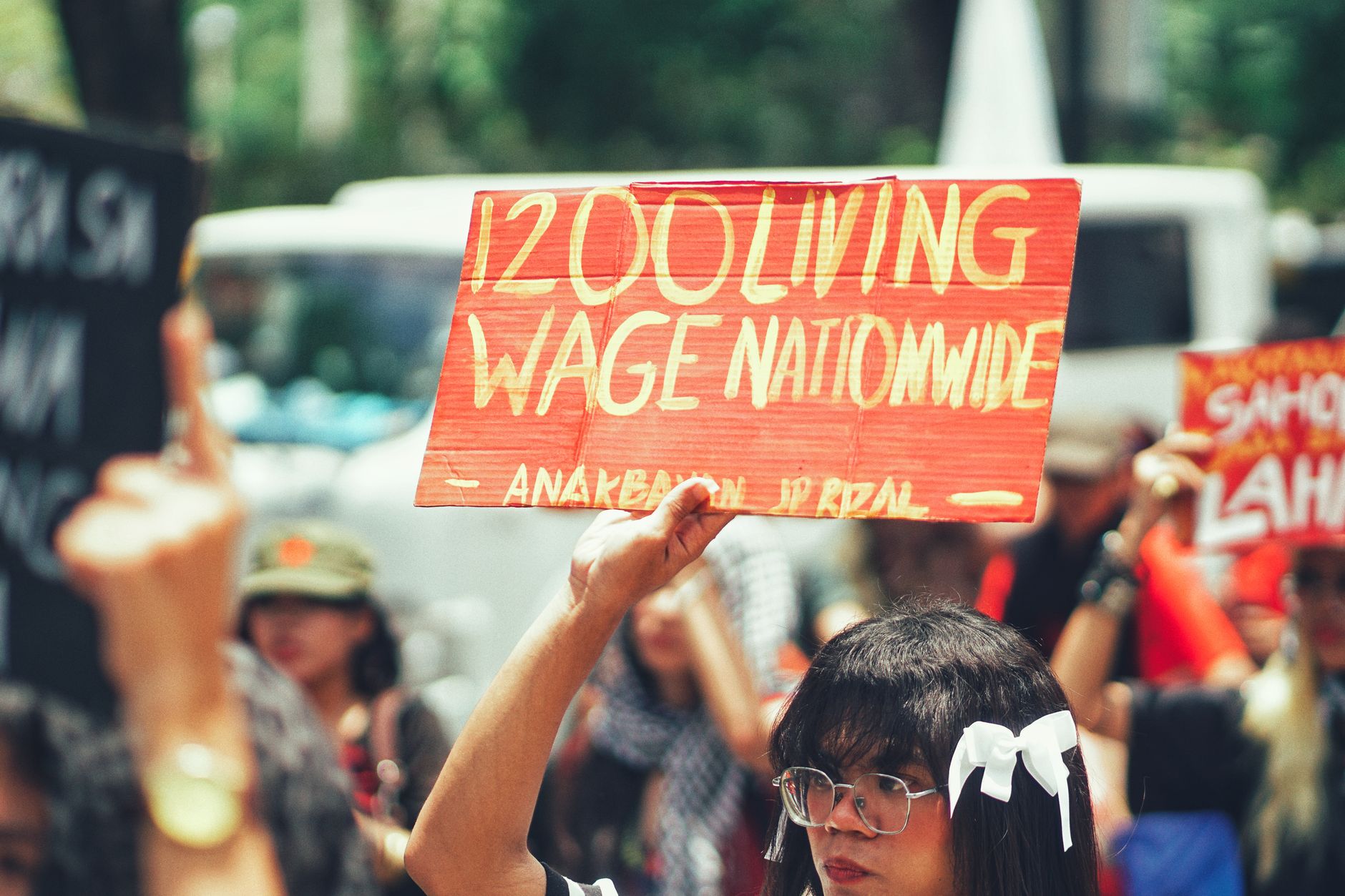
Labour rights ruling has raised significant concerns over the implications for worker protections and industry regulations.
Overview of the Labour Rights Ruling
The recent labour rights ruling has sparked significant debate among activists and industry leaders alike. This landmark decision aims to redefine the scope of worker protections, raising serious concerns over the implications for employee safety and rights.
Critics argue that the ruling could undermine hard-won gains in workplace safety, leading to potential exploitation of vulnerable workers. Key points of contention include:
- The definition of “employee” versus “independent contractor” and its impact on job security.
- The potential for increased workloads without corresponding protections.
- Concerns that the ruling may favor corporate interests over the well-being of workers.
As the discussion unfolds, many are calling for a reassessment of the ruling to ensure that labour rights remain a priority in the evolving job market.
Implications for Workers and Employers
The recent labour rights ruling has sparked significant concerns regarding both worker safety and employer responsibilities. As the implications of this ruling unfold, several key issues have been highlighted:
- Worker Safety: The ruling may lead to increased risks for employees, particularly in industries with less oversight.
- Employer Compliance: Companies may face challenges in adhering to new regulations, which could strain their operational capacities.
- Legal Ramifications: The ruling opens the door for potential litigation, as workers and unions could seek redress for safety violations.
- Economic Impact: Changes in labour rights may affect job availability and wage structures, influencing overall economic stability.
Ultimately, the labour rights ruling necessitates a careful reassessment of existing practices to ensure that both workers and employers can navigate this evolving landscape safely.
Legal Perspectives on the Ruling
The recent labour rights ruling has attracted significant attention from legal experts and advocates alike. Many are expressing concerns over its potential implications for worker safety and employer responsibilities. Legal analysts have noted that the ruling could redefine the parameters surrounding worker classification, which may lead to increased ambiguity in enforcement and compliance.
Key points of discussion include:
- Worker Classification: The decision may blur the lines between independent contractors and employees, complicating access to crucial benefits.
- Legal Precedents: This ruling could set a precedent that influences future cases concerning labour rights across various industries.
- Employer Liabilities: Employers may face heightened scrutiny and legal challenges regarding their treatment of workers under this new framework.
As the implications unfold, ongoing legal discourse will be essential in navigating the new landscape of labour rights.
Concerns Raised by Labour Rights Advocates
Labour rights advocates have expressed serious concerns following the recent labour rights ruling, arguing that it could jeopardize worker safety across various industries. Many believe that the ruling may lead to a dilution of existing protections, potentially exposing workers to hazardous conditions.
Among the key points raised by these advocates are:
- Increased risks: The ruling might allow employers to sidestep crucial safety regulations.
- Ambiguity in definitions: A vague interpretation of industry standards could leave workers vulnerable.
- Undermining unions: The ruling may weaken collective bargaining power, making it harder for workers to advocate for safe working environments.
As the implications of the labour rights ruling unfold, advocates continue to call for stronger protections to ensure that worker safety remains a priority.
Future of Labour Rights in the Industry
The recent labour rights ruling has sparked intense debate regarding the future of worker protections in the industry. As stakeholders assess the implications, several key factors emerge that could shape the landscape for labour rights moving forward.
Firstly, there is a growing concern that the ruling may weaken existing safeguards, potentially jeopardizing worker safety and well-being. Advocates warn that if these rights are not upheld, it could lead to a regression in the hard-fought gains made over the past decades.
Additionally, the ruling may prompt industry leaders to reevaluate their compliance strategies, balancing operational needs with the necessity of maintaining robust labour rights. As organizations navigate this complex terrain, it is crucial for all parties to engage in open dialogue to protect fundamental worker rights.
- Enhancing Worker Protections: Advocates call for stronger regulations.
- Industry Accountability: Companies must prioritize safety measures.
Photo by Mico Medel on Pexels