
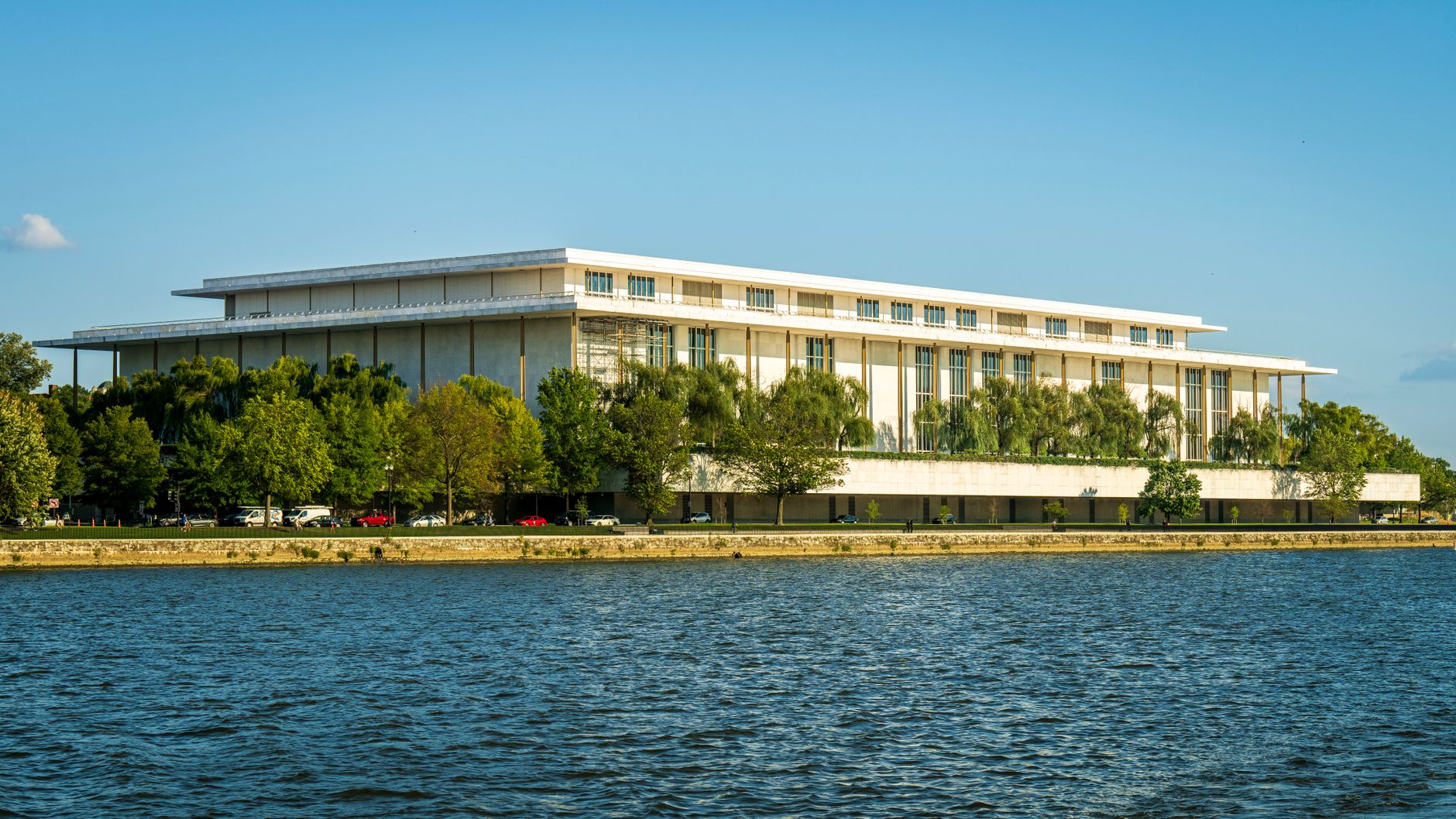
Trump Kennedy Center closure has sparked controversy after a judge ruled against naming it after him. This unexpected twist has left many wondering about the future of the iconic venue.
Background on the Kennedy Center
The John F. Kennedy Center for the Performing Arts, often referred to simply as the Kennedy Center, is a prominent cultural institution located in Washington, D.C. Established in 1971, it serves as a venue for various performances, including theater, music, and dance. Over the years, the Kennedy Center has become synonymous with excellence in the arts, showcasing both national and international talent.
In recent news, the Trump Kennedy Center closure has sparked debate among artists and patrons alike. Critics argue that the abrupt closure undermines the cultural fabric of the nation, while supporters claim it is a necessary measure for renovation and modernization.
As discussions continue, many are left wondering if this decision will have long-lasting effects on the arts community in America.
Judge’s ruling explained
The recent judge’s ruling regarding the Trump Kennedy Center closure has stirred significant debate. The court determined that former President Trump’s involvement in naming rights was not permissible, sparking concerns among supporters and critics alike. The ruling emphasized that the Kennedy Center, an esteemed cultural institution, should remain free from political branding.
In his statement, Trump expressed disappointment, claiming the decision undermines his contributions to the arts and culture. Critics argue that the closure reflects a broader issue surrounding the former president’s influence on public institutions.
Key points from the ruling include:
- Preservation of Integrity: The judge aimed to maintain the Kennedy Center’s nonpartisan status.
- Public Sentiment: There is widespread public interest in keeping politics separate from cultural entities.
- Legal Precedent: This case may set a significant legal precedent for future naming rights disputes.
Trump’s reaction to the closure
In a surprising turn of events, former President Donald Trump reacted to the recent closure of the Kennedy Center, which has sparked widespread debate. After a judge ruled that Trump could not place his name on the iconic venue, he took to social media to express his discontent. In his post, he stated, “The Kennedy Center is closed, and it’s a shame to see such an important institution facing challenges.” Many observers noted that Trump’s reaction reflects his ongoing attachment to the center, despite the legal hurdles he faces.
Critics argue that the Trump Kennedy Center closure decision could damage the center’s reputation and funding. Supporters of the ruling maintain that it ensures the integrity of the arts institution remains intact. As the debate continues, the future of the Kennedy Center remains uncertain.
Public opinion on the decision
Public opinion on the Trump Kennedy Center closure is sharply divided. Many supporters of the decision argue that it is a necessary step towards separating politics from the arts. They believe that the Kennedy Center should not be used as a platform for personal branding, which they claim undermines its cultural significance.
On the other hand, critics express outrage, stating that the closure reflects a troubling trend of political interference in established institutions. Many artists and cultural figures have taken to social media to voice their concerns, emphasizing the importance of the Kennedy Center as a national treasure.
Some individuals have even organized protests, calling the Trump Kennedy Center closure the “worst decision ever.” Polls indicate that public sentiment is split, with many unsure of the long-term implications.
Legal implications of naming rights
The recent Trump Kennedy Center closure raises significant legal implications regarding naming rights. As the judge ruled against Trump’s attempt to affix his name to the prestigious venue, questions about the legality of naming rights in public institutions come to the forefront. This decision not only impacts Trump but also sets a precedent for future cases involving public figures and cultural landmarks.
The case highlights several key points:
- Public Interest: The naming of public institutions often reflects community values and interests.
- Legal Precedent: Future attempts to brand public spaces may face similar scrutiny.
- Potential Appeals: Trump’s legal team may pursue options to challenge the ruling, complicating the matter further.
Ultimately, the legal ramifications of this closure could resonate far beyond the Kennedy Center, influencing how public spaces are named in the future.
Historical significance of the Kennedy Center
The Kennedy Center, officially known as the John F. Kennedy Center for the Performing Arts, has long been a symbol of American cultural heritage. Established in 1971, it serves as a premier venue for the performing arts, hosting a diverse range of events from ballet to jazz. Its significance extends beyond entertainment; it reflects the nation’s commitment to arts and education.
The Trump Kennedy Center closure raises questions about the future of this iconic institution. Many argue that its establishment was meant to honor the legacy of President Kennedy, emphasizing the importance of arts in society. The center has played a crucial role in promoting artistic excellence and fostering creativity in the United States.
As discussions about the closure unfold, the implications for artists, audiences, and the cultural landscape remain a pressing concern.
Future of the venue
The future of the venue remains uncertain following the Trump Kennedy Center closure announcement. As the arts community grapples with the implications of this decision, questions arise about the potential impact on funding and programming. Many worry that the lack of a high-profile name could diminish the center’s appeal to donors and sponsors.
Additionally, the Kennedy Center plays a vital role in promoting cultural initiatives and artistic expression. Without strong leadership and support, its future programming may suffer.
Experts suggest that rebuilding public trust and engagement will be crucial for the center’s revival. Some believe that innovative partnerships and community involvement could help reinvigorate the venue, ensuring it remains a cornerstone of American arts. The coming months will be critical in determining how the Kennedy Center adapts to this new reality.
Conclusion and next steps
In conclusion, the Trump Kennedy Center closure has sparked significant debate among legal experts, artists, and the public. Many are left questioning whether this decision reflects a broader trend of political influence over cultural institutions. While some view the ruling as a necessary measure to preserve the integrity of the Kennedy Center, others argue it stifles freedom of expression and artistic vision.
As discussions continue, stakeholders are urged to engage in constructive dialogue about the future of the venue. Potential next steps could include:
- Exploring alternative naming options
- Increasing community involvement in programming
- Fostering partnerships with local artists and organizations
Ultimately, how this situation evolves will depend on the collective response from the arts community and the public at large.
The Trump Kennedy Center closure has sparked intense debate among art enthusiasts and political commentators alike. Many argue that the Trump Kennedy Center closure will have lasting repercussions on cultural funding and support.
Photo by Mark Stebnicki on Pexels
Where this came from
Insolvency Law Changes: The Real Impact on Debt Recovery · Deregulatory action coal plants: Is it the worst move for AI? · Is the Repeal Bill the Best Move for Outdated Rules?