
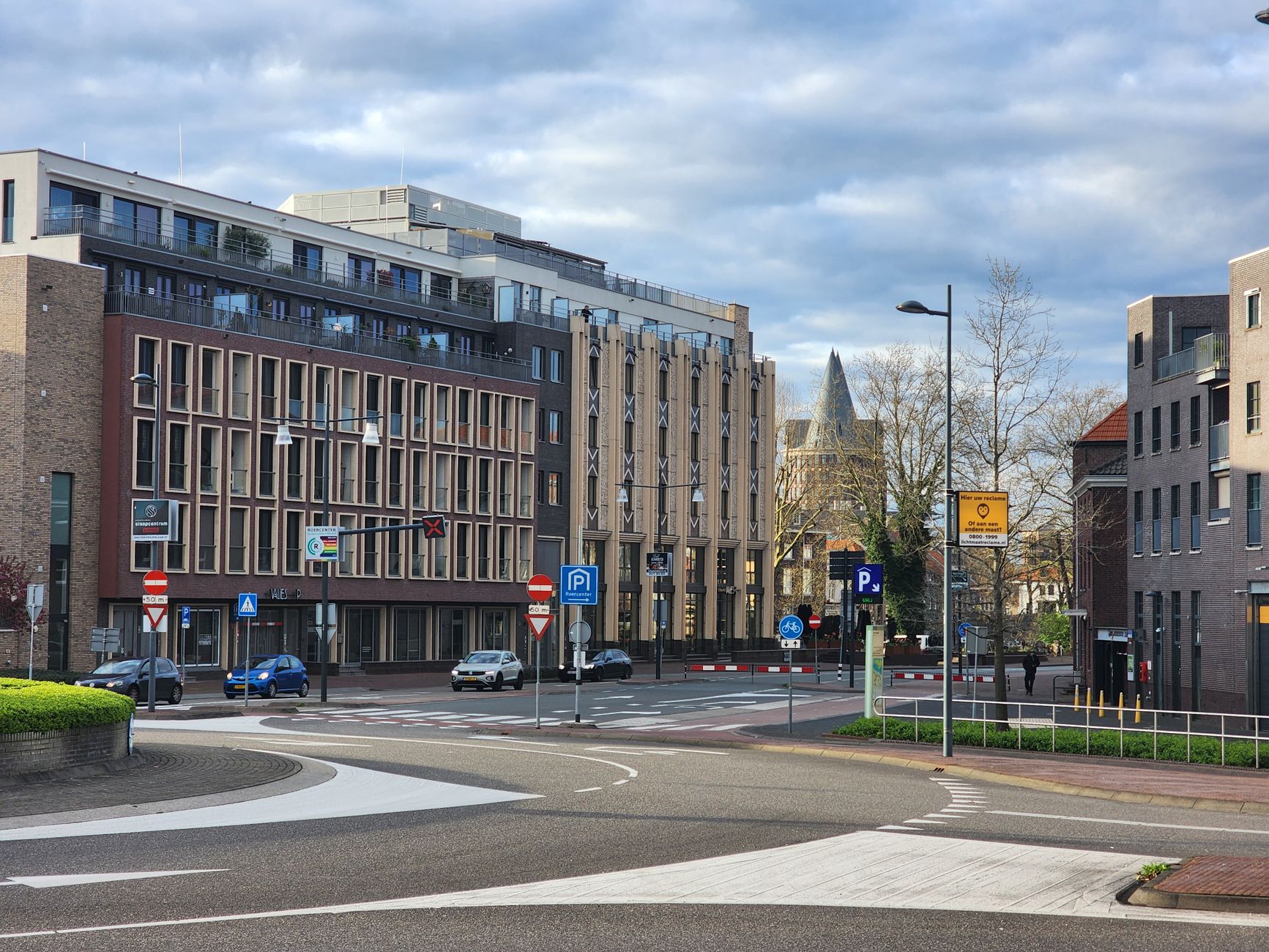
business law residential areas are under threat as new legislation could lead to their conversion into commercial zones. PDP leaders express concerns about the implications for local communities.
Overview of the New Business Law
The recent enactment of a new business law has raised significant concerns among residents and community leaders, particularly regarding its implications for residential areas. Critics argue that this legislation opens the door for residential properties to be converted into commercial spaces, fundamentally altering the character and livability of neighborhoods.
According to a prominent leader from the PDP, the new business law poses a direct threat to the integrity of residential communities. They emphasize the potential for increased traffic, noise, and a loss of community identity as businesses begin to encroach on traditionally residential zones.
Key points of concern include:
- Increased Commercial Development: The law facilitates easier approval processes for businesses in areas previously designated for residential use.
- Impact on Property Values: Homes may lose value as the character of neighborhoods changes, making them less desirable to families.
- Quality of Life Issues: The influx of businesses could lead to issues such as overcrowding, pollution, and reduced green spaces.
As the implications of this new legislation unfold, residents are urged to stay informed and engage in community discussions to safeguard the interests of their neighborhoods against the risks posed by business law in residential areas.
Impact on Residential Areas
The introduction of the new business law has raised significant concerns regarding its impact on residential areas. Residents fear that the legislation may lead to an increase in the conversion of their neighborhoods into commercial zones, ultimately changing the character and dynamics of their communities.
Several risks associated with this transition have been identified:
- Increased Traffic: The shift towards commercial development can lead to a surge in traffic congestion, affecting the quality of life for residents.
- Noise Pollution: Businesses frequently generate noise, which could disrupt the peace of previously quiet neighborhoods.
- Decreased Property Values: As residential areas become commercialized, property values may decline, impacting homeowners’ investments.
- Loss of Community Identity: The unique characteristics of residential neighborhoods may be lost as commercial entities take precedence.
- Strain on Local Resources: The influx of commercial activity may strain local resources, such as schools and parks, which are typically designed for residential use.
As residents voice their concerns, it is essential to consider the implications of business law on residential areas, ensuring that community interests are prioritized in future planning.
PDP Leader’s Concerns
The recent statements by the PDP leader highlight significant concerns regarding the new business law and its implications for residential areas. According to the leader, the legislation poses a direct threat to the integrity of neighborhoods traditionally reserved for families and communities.
In a press conference, the PDP leader emphasized the potential risks associated with the law, stating:
- Increased Commercialization: The leader argued that the law could lead to a surge in business activities, turning peaceful residential zones into bustling commercial hubs.
- Disruption of Community Life: With more businesses setting up shop, the character of these areas may change drastically, impacting the quality of life for residents.
- Noise and Traffic Concerns: The influx of customers and deliveries could lead to heightened noise levels and increased traffic congestion, making neighborhoods less hospitable for families.
- Environmental Impact: The conversion of residential areas into commercial spaces could also result in loss of green spaces and deterioration of local ecosystems.
The PDP leader called for a reassessment of the new business law to protect the sanctity of residential areas and ensure that community needs are prioritized over commercial interests. This perspective resonates with many residents who fear the long-term consequences of such legislative changes.
Community Reactions
Community reactions to the new business law have been mixed, with many residents expressing deep concerns about its implications for their neighborhoods. The fear of residential areas being converted into commercial zones has sparked widespread debate among local residents and advocacy groups.
Many community members believe that such changes could fundamentally alter the character of their neighborhoods. “We chose to live here for the peace and quiet, not for the noise and traffic of businesses,” said local homeowner Jane Smith. Others argue that the law could lead to increased property values and economic opportunities, yet they acknowledge the potential risks associated with such rapid changes.
- Environmental Concerns: Residents worry about the impact on green spaces and wildlife.
- Traffic Issues: Increased traffic from commercial activities could pose safety risks, especially for children.
- Community Cohesion: Many fear that the influx of businesses may disrupt the sense of community and neighborly interactions.
As discussions continue, the emphasis remains on the need for balance between development and protecting residential areas. Community leaders are advocating for clearer regulations within the business law to safeguard the interests of current residents while addressing potential growth opportunities.
Legal Implications of Zoning Changes
The recent changes in business law have raised significant legal implications regarding zoning in residential areas. As municipalities adapt to new legislation, the potential for residential zones to be converted into commercial spaces grows, leading to concerns among homeowners and community leaders alike.
One of the primary legal issues arising from these zoning changes is the challenge to existing property rights. Homeowners may find that their quiet neighborhoods are transformed into bustling commercial districts, which can lead to decreased property values and increased noise and traffic. The burden of proof may shift to residents who wish to contest such changes, potentially complicating their ability to protect their homes.
Furthermore, the introduction of commercial entities in traditionally residential environments could lead to conflicts regarding land use. Issues such as noise ordinances, parking regulations, and business hours may come into play, causing friction between new businesses and long-standing residents.
As these developments unfold, it is essential for communities to stay informed about their rights under the new business law affecting residential areas. Engaging in local government meetings and advocating for protective measures can help ensure that residents have a voice in shaping the future of their neighborhoods.
Future of Residential Communities
The future of residential communities hangs in the balance as the new business law poses significant threats to the integrity of these areas. With the potential for residential zones to be converted into commercial spaces, residents are left grappling with uncertainty about their neighborhoods.
Many worry that the implementation of this business law will lead to a dramatic shift in the character of their communities. The once peaceful residential areas could become bustling commercial hubs, altering the quality of life for families and individuals who have long called these places home.
Several key risks have been identified:
- Increased Traffic: The influx of businesses could lead to heightened traffic congestion, making streets less safe for children and pedestrians.
- Loss of Community Identity: The unique charm of residential neighborhoods may be overshadowed by commercial developments.
- Decline in Property Values: As residential areas transition to commercial zones, property values may plummet, impacting homeowners significantly.
As discussions continue regarding the ramifications of this business law, it is crucial for community members to remain vigilant and actively participate in shaping the future of their residential areas. The stakes are high, and the consequences could redefine the landscape of neighborhoods across the region.
The implications of recent changes in business law residential areas are becoming increasingly evident as communities face potential disruptions. Homeowners are expressing concerns about how business law residential areas could lead to increased noise and traffic, affecting their quality of life.
Photo by Petrit Nikolli on Pexels
Where this came from
Press Freedom in India: The Worst Challenges Ahead · Is Alaska wilderness protection the best proven law ever? · Abortion and Surrogacy Law: The Worst Legal Conflicts Explained