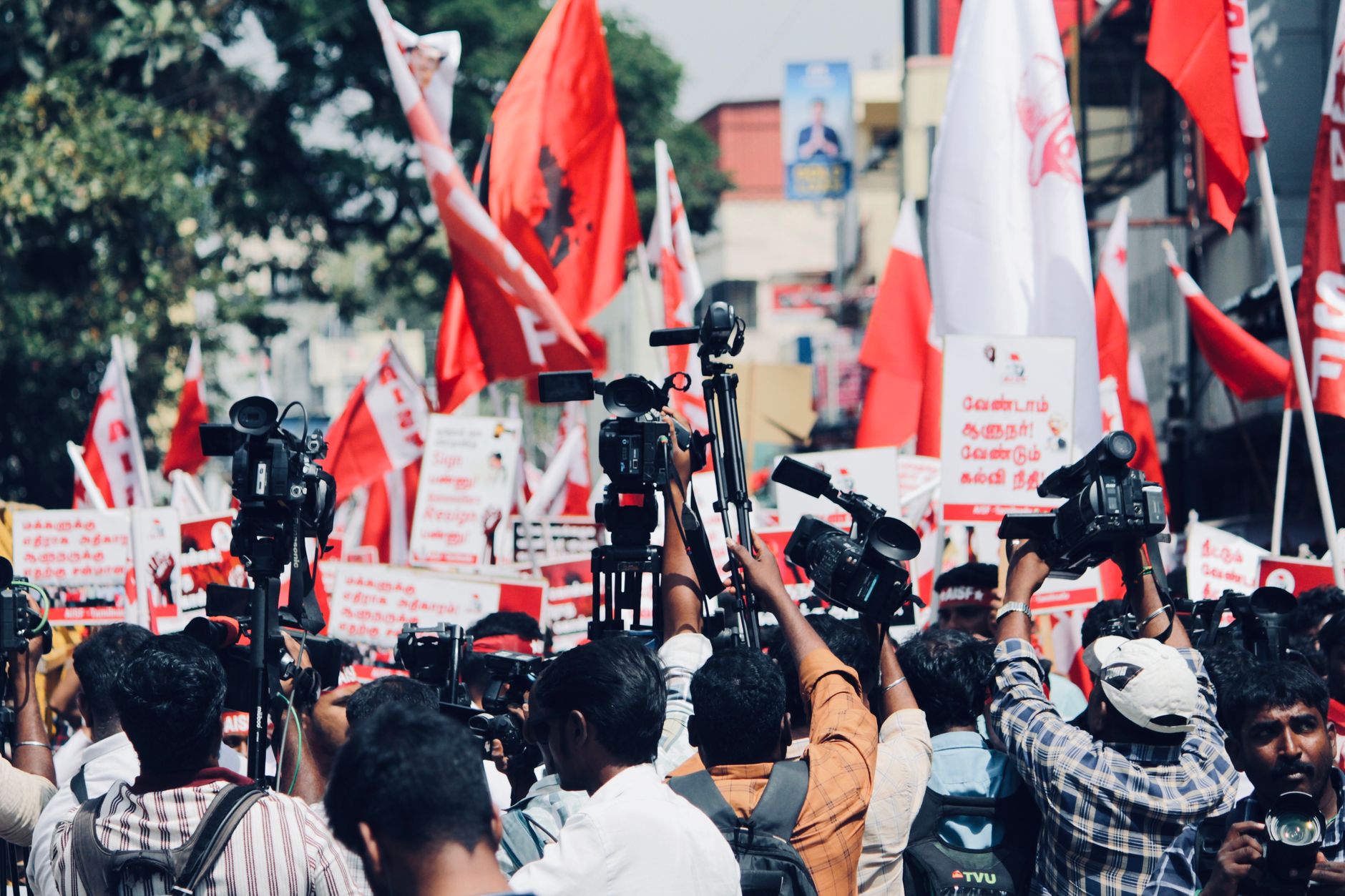
press freedom in India is increasingly under threat, with recent events highlighting the growing challenges faced by journalists in the country.
Overview of Press Freedom in India
The landscape of press freedom in India has been increasingly scrutinized over the past decade, with various reports highlighting a troubling trend towards restrictions. Journalists and media outlets are facing unprecedented challenges, as governmental pressures and societal tensions escalate.
Recent incidents, such as the detainment of journalists in Delhi, have raised alarms about the state of independent journalism. The United Nations has issued rebukes, calling attention to the erosion of press freedoms that underpin democratic societies.
Key challenges include:
- The imposition of gag orders on reporting, limiting the ability of journalists to cover critical issues.
- Internet blackouts in regions experiencing unrest, which hinder the dissemination of information.
- Harassment and intimidation of reporters who dare to challenge the status quo.
- Increased surveillance and scrutiny of media personnel, creating a climate of fear.
These factors contribute to a shrinking space for independent journalism, leading many to question the future of press freedom in India and the implications for democratic engagement in the country.
Recent Detentions of Journalists
Recent events have cast a shadow over press freedom in India, with several journalists facing detention under controversial circumstances. Reports indicate that, in a matter of weeks, multiple journalists were arrested in Delhi while covering protests and expressing dissenting opinions.
This troubling trend has raised alarms among international watchdogs and human rights organizations. In a recent statement, the United Nations addressed the escalating crisis, urging the Indian government to uphold its commitment to freedom of expression and ensure the safety of journalists. The UN emphasized that press freedom is essential for democracy, yet the situation in India suggests an alarming retreat from these principles.
In addition to the detentions, journalists have reported facing gag orders and restrictions on their work, further complicating the already precarious landscape of independent media. The introduction of internet blackouts in certain regions has also stifled reporting and hindered the dissemination of information.
As the challenges mount, many are left to question the future of journalism in India, where the space for independent voices seems to be shrinking rapidly.
UN’s Stance on India’s Press Issues
The United Nations has expressed increasing concern over the state of press freedom in India, particularly in light of recent incidents involving the detention of journalists. A UN spokesperson highlighted that these developments pose significant challenges to the fundamental right of expression and the freedom of the press. The organization has underscored the need for the Indian government to uphold its commitments to international human rights standards.
As reported, the UN’s critique follows a series of events that have raised alarm among media advocates, including:
- The detention of journalists covering sensitive topics.
- Increased usage of gag orders to silence dissenting voices.
- Frequent internet blackouts during protests and critical reporting events.
The UN has called on India to ensure a safe environment for journalists, emphasizing that such protections are essential for a functioning democracy. The ongoing challenges to press freedom in India not only affect the media but also have broader implications for civil society, as the ability to report freely is a cornerstone of accountability and transparency.
Impact of Gag Orders on Reporting
The implementation of gag orders has had a profound impact on reporting in India, significantly undermining press freedom. These legal restrictions prevent journalists from discussing specific topics, often related to government policies and actions. As a result, the media landscape has become increasingly polarized, with many reporters fearing repercussions for covering sensitive issues.
In recent years, the frequency of gag orders has escalated, leading to a climate of self-censorship among journalists. The fear of legal action discourages critical reporting, which is essential for a healthy democracy. This trend not only silences dissent but also stifles public discourse, as citizens are deprived of important information regarding governance and accountability.
Furthermore, the rapid growth of internet blackouts adds another layer of challenges to press freedom in India. These blackouts, often implemented during times of unrest, severely limit the ability of journalists to communicate and report on ground realities. The cumulative effect of these measures poses a significant threat to independent journalism, raising alarms about the future of press freedom in the country.
Internet Blackouts: A Growing Concern
As press freedom in India faces increasing threats, one of the most alarming issues is the rise of internet blackouts across the country. These shutdowns, often implemented in the name of security or to control unrest, significantly hinder the ability of journalists to report freely and effectively.
In recent years, various regions in India have experienced extended periods without internet access, particularly during protests or political unrest. This tactic severely limits not only journalistic activities but also the public’s access to information. As a result, the narrative surrounding crucial events can become skewed, leaving citizens in the dark about critical developments.
The government’s justification for these blackouts raises concerns regarding transparency and accountability. Critics argue that such measures are part of a broader strategy to suppress dissent and silence voices that challenge authority. The implications for independent journalism are dire, as journalists struggle to communicate vital information to the public.
With the ongoing challenges to press freedom in India, the future of journalism looks increasingly precarious, leaving many to question how long these practices can persist without significant backlash from both the media community and the international audience.
The Role of Social Media in Journalism
In the current landscape of press freedom in India, social media has emerged as both a tool and a battleground for journalists. As traditional news outlets face increasing scrutiny and pressure, platforms like Twitter, Facebook, and Instagram have become essential for disseminating information and engaging with the public. However, this shift has not come without challenges.
Social media enables journalists to bypass some of the restrictions imposed by the government, allowing for real-time reporting and the sharing of critical viewpoints. Yet, it also exposes them to new risks, including:
- Online harassment: Journalists frequently encounter threats and abuse, particularly when reporting on sensitive issues such as politics or social justice.
- Misinformation: The rapid spread of false information complicates the journalistic landscape, making it difficult for audiences to discern fact from fiction.
- Surveillance: Journalists often find themselves monitored, as authorities track their online activities to suppress dissent.
Thus, while social media offers a platform for greater visibility, it simultaneously poses significant challenges to the integrity and safety of independent journalism in India.
Future of Independent Journalism in India
The future of independent journalism in India faces significant hurdles as press freedom continues to be challenged in various forms. Journalists are grappling with increased pressure from both governmental and non-governmental entities that threaten their ability to report freely and accurately.
In recent years, several incidents have highlighted the precarious situation for media professionals. Many have been detained for expressing dissenting views or covering sensitive topics, further fueling fears about press freedom in India. The ongoing environment of uncertainty has left journalists questioning how they can operate safely and effectively.
Moreover, with the rise of digital platforms, there is a dual-edged sword effect. While social media offers an avenue for alternative narratives, it also exposes journalists to harassment and misinformation campaigns. The constant struggle for survival in such a hostile environment raises concerns about the sustainability of independent journalism.
- Rising censorship: Increased government scrutiny and restrictions on content.
- Legal challenges: Journalists face lawsuits and threats that stifle reporting.
- Public trust: The erosion of trust in media can diminish its role in democracy.
As these factors converge, the outlook for press freedom in India remains bleak, demanding urgent attention and action from both domestic and international communities.
Photo by SKR on Pexels
Where this came from
Inventiva · Press freedom in India
You might also like
Is Alaska wilderness protection the best proven law ever? · Abortion and Surrogacy Law: The Worst Legal Conflicts Explained · China defence mobilisation law: Clear Impacts on Sectors