
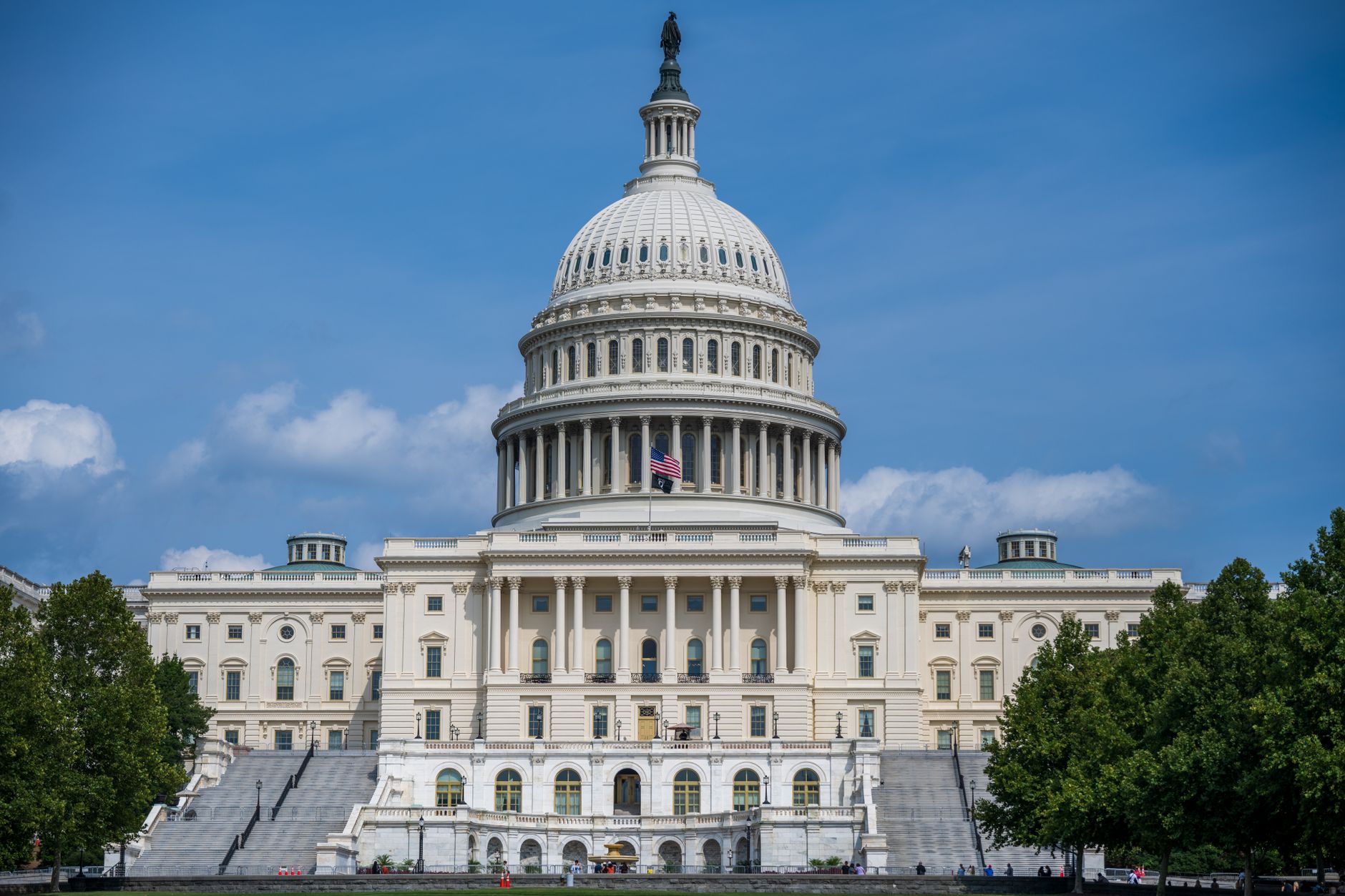
Russia sanctions Congress are a pivotal moment in U.S. foreign policy, reflecting a strong stance against Russian aggression. Recently, Congress passed sweeping sanctions, only to see them shelved by Trump before implementation.
What Are the New Russia Sanctions?
In response to ongoing geopolitical tensions, Congress has introduced a series of new sanctions aimed at Russia, marking the most significant legislative action in years. These sanctions are designed to target key sectors of the Russian economy and individuals perceived to be involved in activities detrimental to international stability.
The sanctions include:
- Financial Restrictions: New measures will limit Russia’s access to international financial markets, affecting both government and private sector entities.
- Energy Sector Sanctions: Key players in the Russian energy industry will face restrictions aimed at hindering their ability to invest in or develop new projects.
- Travel Bans: Certain Russian officials and oligarchs will be banned from entering the United States.
- Export Controls: High-tech exports to Russia will be closely monitored, particularly those that could enhance military capabilities.
Despite the overwhelming support for these measures in Congress, former President Trump had previously shelved them, delaying their implementation. The ongoing discussion around Russia sanctions Congress illustrates a growing bipartisan consensus on the need to hold Russia accountable for its actions on the global stage.
Trump’s Role in Shelving Sanctions
In a significant turn of events, President Trump played a pivotal role in shelving the new Russia sanctions that had garnered overwhelming support from Congress. The sanctions, designed to hold Russia accountable for its aggressive actions, represented one of the most comprehensive measures taken in years. However, Trump’s reluctance to implement these sanctions raised questions about his administration’s commitment to confronting Russian aggression.
The decision to delay the sanctions sparked outrage among lawmakers who had worked diligently to craft the legislation. Many viewed Trump’s actions as a direct contradiction to the will of Congress. The sanctions aimed to impose stringent economic restrictions on key sectors, including energy and finance, thereby sending a strong message to Moscow.
Supporters of the sanctions argued that timely implementation was crucial to deter further Russian interference in global affairs. They pointed out that by shelving the sanctions, Trump not only undermined bipartisan efforts but also weakened the United States’ position on the international stage.
As the debate over Russia sanctions continued, critics expressed concern that Trump’s decisions were influenced by personal ties and political considerations rather than national security interests. This led to a growing call for Congress to reassert its authority and ensure that future sanctions are not susceptible to presidential delays.
Impact on U.S.-Russia Relations
The recent actions taken by Congress to impose new Russia sanctions mark a significant shift in U.S. foreign policy. With bipartisan support, lawmakers aimed to send a strong message to Russia regarding its activities that threaten international stability. However, President Trump’s decision to shelve these sanctions has raised concerns about the future of U.S.-Russia relations.
Experts argue that this delay in enforcing sanctions could embolden the Kremlin, potentially leading to further aggression in regions such as Ukraine and Syria. The lack of accountability may undermine the credibility of U.S. foreign policy and its commitment to standing against foreign interference.
Additionally, the shelving of these sanctions has resulted in mixed reactions within Congress. Some lawmakers feel that the effectiveness of sanctions is diminished when they are not enforced promptly. Others worry that this may lead to a rift in the bipartisan consensus that has historically united both parties against Russian transgressions.
As the situation develops, the impact of Trump’s actions may reverberate beyond the immediate sanctions. It raises questions about how future administrations will address U.S.-Russia relations and the potential for increased tensions if Congress continues to push for stricter measures against Russia sanctions.
Legal Ramifications of Sanctions
The recent actions taken by Congress to impose sweeping Russia sanctions have led to significant legal ramifications, especially in light of President Trump’s decision to shelve them. This controversial move has raised questions about the separation of powers and the role of the executive branch in foreign policy.
Legal experts argue that the President’s intervention undermines Congress’s authority to regulate foreign relations. The implications of these sanctions could have far-reaching consequences, affecting not just U.S.-Russia relations but also the legislative process itself.
- Separation of Powers: The U.S. Constitution grants Congress the power to declare war and regulate commerce with foreign nations, raising concerns about executive overreach.
- Judicial Review: Should Congress choose to challenge Trump’s actions, the courts may become involved, setting a precedent for future sanctions and executive actions.
- International Obligations: The shelving of sanctions could complicate the U.S.’s standing with allies, who may view this as a failure to uphold commitments against Russian aggression.
As the debate over Russia sanctions continues, lawmakers are increasingly aware of the potential legal ramifications of their actions and the need to assert their authority in the face of executive decisions.
Public Opinion on Sanctions
Public opinion on the recent Russia sanctions has become increasingly polarized, reflecting deep divisions within the American electorate. Many voters express frustration over Congress’s inability to effectively implement measures aimed at holding Russia accountable, especially in light of Trump’s actions to shelve these sanctions.
A recent poll indicates that a significant majority of Americans support stricter sanctions on Russia, with 63% of respondents believing that these measures are essential for national security. However, there is a notable divide along party lines:
- Democrats: Approximately 78% favor the new sanctions, arguing that they are crucial for deterring future aggression.
- Republicans: Around 49% support the sanctions, with some expressing concern over their potential economic fallout.
In addition, many voters feel that Congress has a responsibility to act decisively against Russia, viewing Trump’s decision to delay sanctions as an undermining of legislative authority. Critics argue that inaction sends a dangerous message, eroding trust in the U.S. government’s commitment to uphold international norms.
As the debate continues, it remains to be seen how public sentiment will influence future legislative efforts regarding Russia sanctions in Congress.
The ongoing debate surrounding Russia sanctions Congress highlights the deep divisions within the political landscape. Critics argue that Russia sanctions Congress have been weakened by inconsistent messaging from the former administration.
Photo by Guohua Song on Pexels
Where this came from
You might also like
Canada Permanent Residency Rules: Clear New Guidelines Ahead · Farmer & Morris Scholarship: Proven Volunteer Service Winner Announced · IDBI Bank stake sale: Is it the right move for the govt?