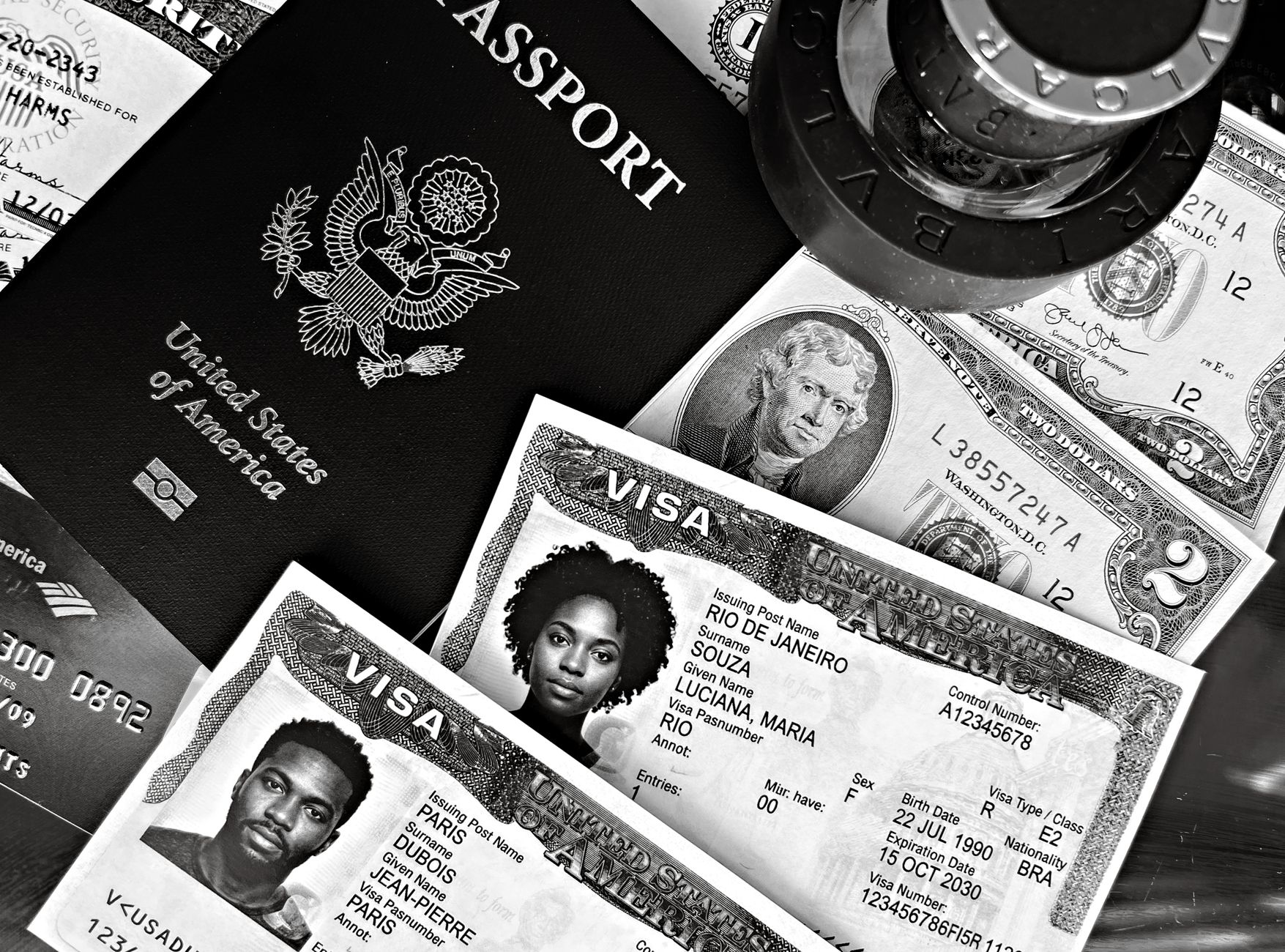
H-1B workers controversy has become a hot topic following JD Vance’s remarks about foreign indentured servants. The discussion highlights the complexities of immigration and labor in the U.S.
Understanding H-1B Visas
The H-1B visa program has been a focal point of debate in recent years, particularly amid the H-1B workers controversy. This non-immigrant visa allows U.S. companies to employ foreign workers in specialty occupations, which typically require advanced degrees or technical expertise. Since its inception in 1990, the program has enabled countless foreign professionals, particularly from India, to work in the United States.
Critics argue that the program has been exploited, leading to the perception of H-1B workers as “foreign indentured servants.” They contend that these workers are often paid less than their American counterparts, creating an uneven job market. Supporters, however, assert that H-1B workers fill crucial gaps in the labor market, especially in sectors such as technology, healthcare, and engineering. They emphasize that many companies rely on this skilled labor to drive innovation and stay competitive globally.
The controversy over H-1B visas has intensified with recent comments from public figures, sparking discussions about the ethical implications of the program. As the landscape of work continues to evolve, understanding the complexities surrounding H-1B visas is essential for navigating this ongoing debate. The future of the program remains uncertain, but its impact on the workforce is undeniable.
JD Vance’s Controversial Remarks
In a recent interview, Senator JD Vance sparked a heated debate with his remarks regarding H-1B workers, which many have labeled controversial. Vance referred to H-1B visa holders as “foreign indentured servants,” a statement that has drawn significant backlash from various communities, particularly among immigrants and advocates for fair labor practices.
Vance attempted to clarify his comments by expressing his affection for his Indian in-laws, stating that his intention was not to demean individuals but to highlight systemic issues related to the H-1B visa program. However, critics argue that his choice of words undermines the contributions of skilled workers who come to the United States seeking better opportunities.
The H-1B workers controversy has reignited discussions about the balance between protecting American jobs and embracing global talent. Many supporters of H-1B visa holders emphasize that these workers fill critical gaps in the labor market, particularly in technology and healthcare sectors, where there is a noticeable shortage of skilled professionals.
As the conversation evolves, it remains to be seen how Vance’s comments will influence public perception and policy surrounding H-1B visas. Debates continue, with many advocating for reforms to ensure fair treatment and protection for all workers involved.
The Impact on American Jobs
The ongoing H-1B workers controversy has sparked a heated debate about the impact of foreign workers on the American job market. Critics argue that the influx of H-1B visa holders displaces American workers, making it harder for them to find employment in certain sectors, particularly in technology and engineering.
Supporters of the H-1B program contend that these workers fill crucial skill gaps that cannot be met by the domestic workforce. They point to the following points:
- Skills Gap: Many companies report difficulties in finding qualified candidates for specialized roles, suggesting that H-1B workers are essential for maintaining innovation and competitiveness.
- Economic Growth: By bringing in skilled labor, companies can expand, leading to job creation for both foreign and American workers.
- Global Competitiveness: The presence of H-1B workers allows U.S. firms to compete on a global stage, attracting investment and fostering technological advancements.
Despite these arguments, the perception remains that H-1B workers contribute to wage stagnation and reduced opportunities for American job seekers. As the debate continues, understanding the complexities of this issue is vital for shaping future immigration policies.
Public Reaction to Vance’s Statement
Public reaction to JD Vance’s recent comments regarding H-1B workers has been sharply divided. Many individuals and organizations have voiced their opinions across social media platforms, highlighting the complexities and nuances of the H-1B workers controversy.
Supporters of Vance argue that his remarks bring necessary attention to the issues surrounding the H-1B visa program, claiming that it often undercuts American workers and contributes to wage stagnation. They emphasize the need for reform to ensure that domestic job opportunities are prioritized.
Conversely, critics have condemned Vance’s choice of words, particularly the term “foreign indentured servants.” They assert that such language is derogatory and fails to acknowledge the valuable contributions that H-1B workers make to the economy. Critics argue that these workers fill crucial skill gaps in the U.S. labor market, particularly in technology and healthcare sectors.
The controversy has sparked a larger debate about immigration policies and the treatment of foreign workers. As the discussion intensifies, many are calling for a more balanced perspective that recognizes both the challenges faced by American workers and the essential roles played by H-1B employees in fostering economic growth.
Legal Implications of Indentured Servants
The H-1B workers controversy has raised significant legal implications regarding the treatment and rights of foreign professionals in the United States. Critics argue that the current framework around H-1B visas creates a situation akin to that of indentured servitude, where workers are bound to their employers due to strict visa regulations. This dependency can lead to exploitative practices, as workers may fear losing their jobs and the ability to stay in the country.
Legal experts highlight the following concerns:
- Employment Discrimination: H-1B workers often face discrimination, as their legal status can be used against them in employment disputes.
- Limited Mobility: The requirement for H-1B workers to remain with their sponsoring employer restricts their ability to seek better opportunities, effectively trapping them in unsatisfactory job situations.
- Visa Revocation Risks: The threat of visa revocation if a worker chooses to leave their employer can lead to an atmosphere of fear, discouraging them from asserting their rights.
These factors contribute to a growing concern over the ethical implications of the H-1B visa system. As the controversy unfolds, many are calling for reforms to ensure that foreign workers are treated fairly and with dignity.
Future of H-1B Visa Program
The future of the H-1B visa program remains uncertain as debates surrounding its implications intensify. Advocates argue that the program is essential for filling skill gaps in the American workforce, while critics highlight concerns over potential exploitation and job displacement.
Recent controversy sparked by JD Vance’s remarks has brought renewed attention to the plight of H-1B workers. Many believe that the current framework allows for the creation of a system where workers can be seen as indentured servants, a notion that has ignited public outrage and calls for reform.
As discussions unfold, several key factors will shape the program’s future:
- Legislative Changes: Proposed reforms may aim to balance the needs of employers with the rights of workers, potentially leading to stricter regulations.
- Public Sentiment: Growing awareness of the challenges faced by H-1B workers could influence policymakers to take action.
- Economic Conditions: Fluctuations in the job market may also play a crucial role, as demand for skilled labor continues to evolve.
Overall, the controversy surrounding H-1B workers has highlighted critical discussions about immigration, labor rights, and the future direction of the program.
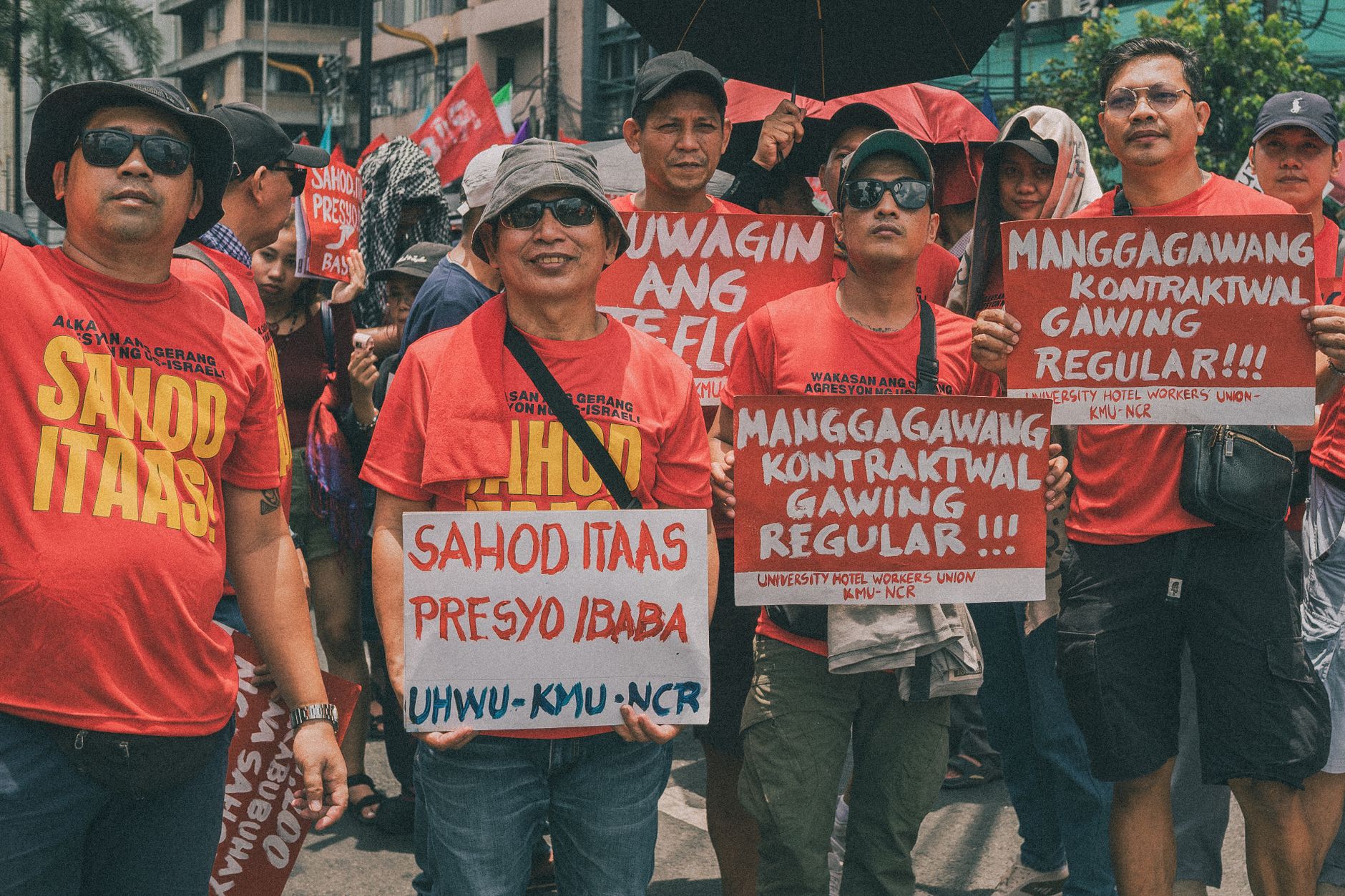
The H-1B workers controversy has sparked heated debates about the impact of foreign labor on the U.S. job market. Many argue that the H-1B workers controversy highlights deeper issues related to immigration policy and economic inequality.
Photo by Clarence Gaspar on Pexels
References
Related reading
Russia sanctions Congress: The worst impact of Trump’s actions · Canada Permanent Residency Rules: Clear New Guidelines Ahead · Farmer & Morris Scholarship: Proven Volunteer Service Winner Announced