
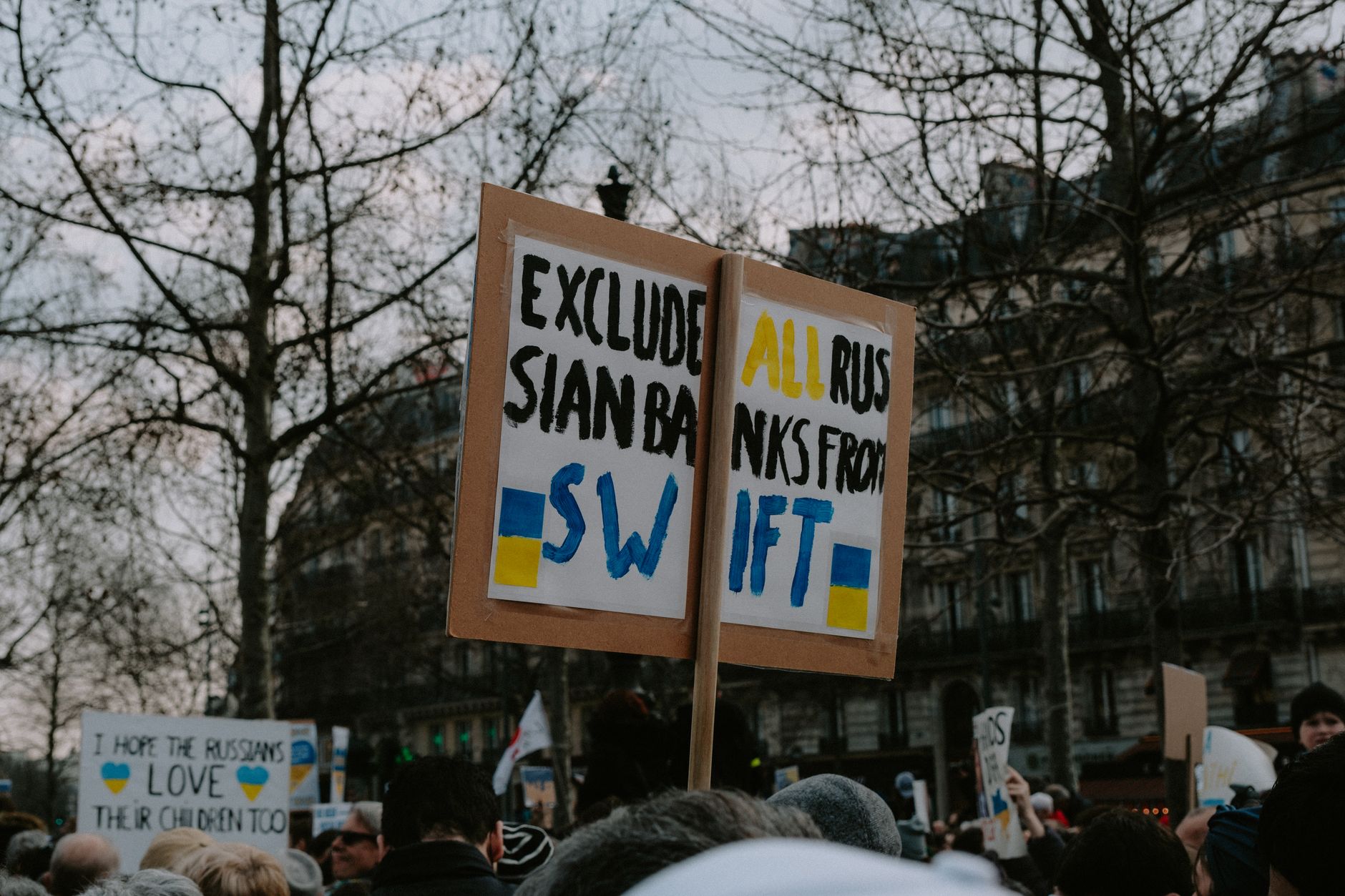
Russia-related sanctions are at the forefront of a controversial decision by Trump, who has opted to waive numerous tariffs and sanctions against Russia. This move raises questions about U.S. foreign policy and its implications for Ukraine.
Overview of Recent Sanctions
Recent developments in international politics have brought Russia-related sanctions into the spotlight, particularly concerning the actions of former President Donald Trump. Amid ongoing tensions between Russia and Ukraine, Trump has faced criticism for waiving several sanctions that were set to go into effect under new legislation. This decision has sparked a heated debate about the implications for U.S. foreign policy and its stance on Russian aggression.
Many analysts argue that these sanctions were essential tools for holding Russia accountable for its actions in Ukraine. By waiving them, Trump is perceived as favoring Russian interests over those of Ukraine, further complicating an already tense situation.
Key points regarding the recent sanctions include:
- Impact on Ukraine: The lifting of sanctions could embolden Russian actions in Eastern Europe.
- International Response: Allies may question the U.S. commitment to collective security agreements.
- Political Consequences: The decision may influence the upcoming elections and public perception of Trump’s foreign policy approach.
The debate surrounding Russia-related sanctions continues to unfold, with significant implications for the future of U.S.-Russia relations.
Impact on U.S.-Ukraine Relations
The recent decision by former President Trump to waive many Russia-related sanctions has raised significant concerns regarding U.S.-Ukraine relations. This move has been perceived as a troubling signal that undermines America’s commitment to supporting Ukraine in its ongoing conflict with Russia.
Experts argue that the lifting of these sanctions could embolden the Kremlin, potentially leading to increased aggression in the region. The situation is further complicated by the fact that the U.S. has historically positioned itself as a staunch ally of Ukraine, providing both military and economic assistance to bolster its defense against Russian advances.
As a result of Trump’s actions, the credibility of U.S. support is now in question. Many Ukrainians feel betrayed and uncertain about the reliability of American backing. This sentiment is echoed by various political analysts who emphasize that strong and consistent sanctions against Russia are crucial for maintaining stability in Eastern Europe.
In light of these developments, the Biden administration may face challenges in restoring trust and ensuring a united front against Russian aggression in the region.
Legal Ramifications of Waiving Sanctions
The decision to waive Russia-related sanctions raises significant legal ramifications that could have far-reaching consequences for U.S. foreign policy. By bypassing established sanctions, Trump may have violated the provisions set forth by Congress, undermining the legislative intent behind these measures.
Legal experts are already debating the implications of this move, focusing on several key points:
- Authority of the Executive Branch: The president’s ability to unilaterally alter sanctions is contentious, as these measures often require Congressional approval to implement or revoke.
- International Law Considerations: Waiving sanctions could be perceived as a breach of international law, especially in light of ongoing aggression by Russia.
- Precedents for Future Actions: Such a waiver sets a precedent that may encourage other leaders to bypass sanctions in the future, potentially eroding the effectiveness of U.S. foreign policy.
As the legal landscape evolves, it remains to be seen how courts and lawmakers will respond to the ramifications of this controversial decision and whether it will galvanize efforts to reinforce sanctions against Russia.
Public Opinion on Trump’s Decision
Public opinion on Trump’s recent decision to waive many Russia-related sanctions has been sharply divided, reflecting the complex political landscape surrounding U.S. foreign policy. Many Americans express concern that such a move undermines the nation’s commitment to supporting Ukraine in its ongoing conflict with Russia.
According to a recent poll, a significant portion of the population believes that lifting these sanctions sends a troubling message to both allies and adversaries. The poll reveals that:
- 65% of respondents feel that sanctions are a vital tool for holding Russia accountable for its actions.
- 70% believe that supporting Ukraine should be a top priority for U.S. foreign policy.
- 55% disapprove of Trump’s approach, citing concerns over national security and international stability.
Critics argue that waiving sanctions not only weakens U.S. leverage but also emboldens Russia, potentially allowing further aggression in Eastern Europe. Proponents of the decision, however, claim it could pave the way for diplomatic negotiations. As the debate continues, the public remains wary of the implications of this controversial stance.
Comparative Analysis with Previous Administrations
In examining the current landscape of Russia-related sanctions, it is crucial to compare the recent actions taken by the Trump administration with the approaches of previous administrations. Historically, both Republican and Democratic leaders have adhered to a more stringent policy towards Russia, especially following significant geopolitical events.
Key differences include:
- Obama Administration: Implemented sanctions following Russia’s annexation of Crimea in 2014, focusing on economic restrictions aimed at key sectors such as finance, energy, and defense.
- Bush Administration: While initially engaging with Russia, it later adopted a tougher stance after incidents like the Georgia conflict in 2008, highlighting a willingness to impose sanctions when deemed necessary.
- Clinton Administration: Focused on integrating Russia into the global economy but imposed sanctions in response to human rights abuses and military aggression.
In contrast, Trump’s recent decision to waive many Russia-related sanctions before they were to take effect represents a significant departure from these established policies. Critics argue that this approach undermines years of diplomatic efforts and could embolden Russia in its aggressive pursuits.
Expert Opinions on Foreign Policy
Experts have weighed in on the implications of President Trump’s decision to waive several Russia-related sanctions that were set to take effect. Many foreign policy analysts argue that this move undermines U.S. credibility on the global stage.
- Dr. Emily Carter, a professor of International Relations, stated, “Waiving these sanctions sends a message that the U.S. is willing to compromise its commitment to democratic values in favor of personal diplomacy.”
- James Thompson, a senior analyst at the Global Security Institute, emphasized that such actions could embolden Russia’s aggressive behavior, saying, “This decision could incentivize further malign activities by the Kremlin.”
- Maria Gonzalez, a former diplomat, expressed concern about the long-term effects on U.S. alliances, noting, “Our allies in Eastern Europe rely on our support, and this decision may lead them to question our reliability.”
Furthermore, experts warn that the economic implications could be severe, as waiving sanctions could disrupt strategic economic measures designed to prevent Russian influence from spreading. Overall, the consensus among analysts is that this decision may have far-reaching and adverse effects on both U.S. foreign policy and global stability.
Future of U.S.-Russia Relations
The future of U.S.-Russia relations appears increasingly precarious following the recent developments concerning Russia-related sanctions. As President Trump waives several key sanctions that were set to take effect, questions arise about the implications for international diplomacy and security.
Critics argue that this move undermines efforts to hold Russia accountable for its actions in Ukraine and could embolden the Kremlin to pursue aggressive policies without fear of repercussions. Experts warn that the easing of sanctions may signal a shift in U.S. foreign policy that prioritizes diplomatic relations over the rule of law and international norms.
Furthermore, the potential for increased cooperation between the U.S. and Russia may lead to complications in various geopolitical arenas, including Europe and the Middle East. The unpredictability of Trump’s approach raises concerns about the U.S.’s commitment to its allies and the stability of global alliances.
As stakeholders closely monitor the situation, the effectiveness of future U.S.-Russia relations will hinge on the administration’s willingness to balance engagement with accountability, especially in light of the ongoing conflict in Ukraine.
The decision to impose Russia-related sanctions has sparked a fierce debate among policymakers. Critics argue that these Russia-related sanctions could further strain diplomatic relations and hinder potential negotiations.
Photo by Mathias Reding on Pexels