
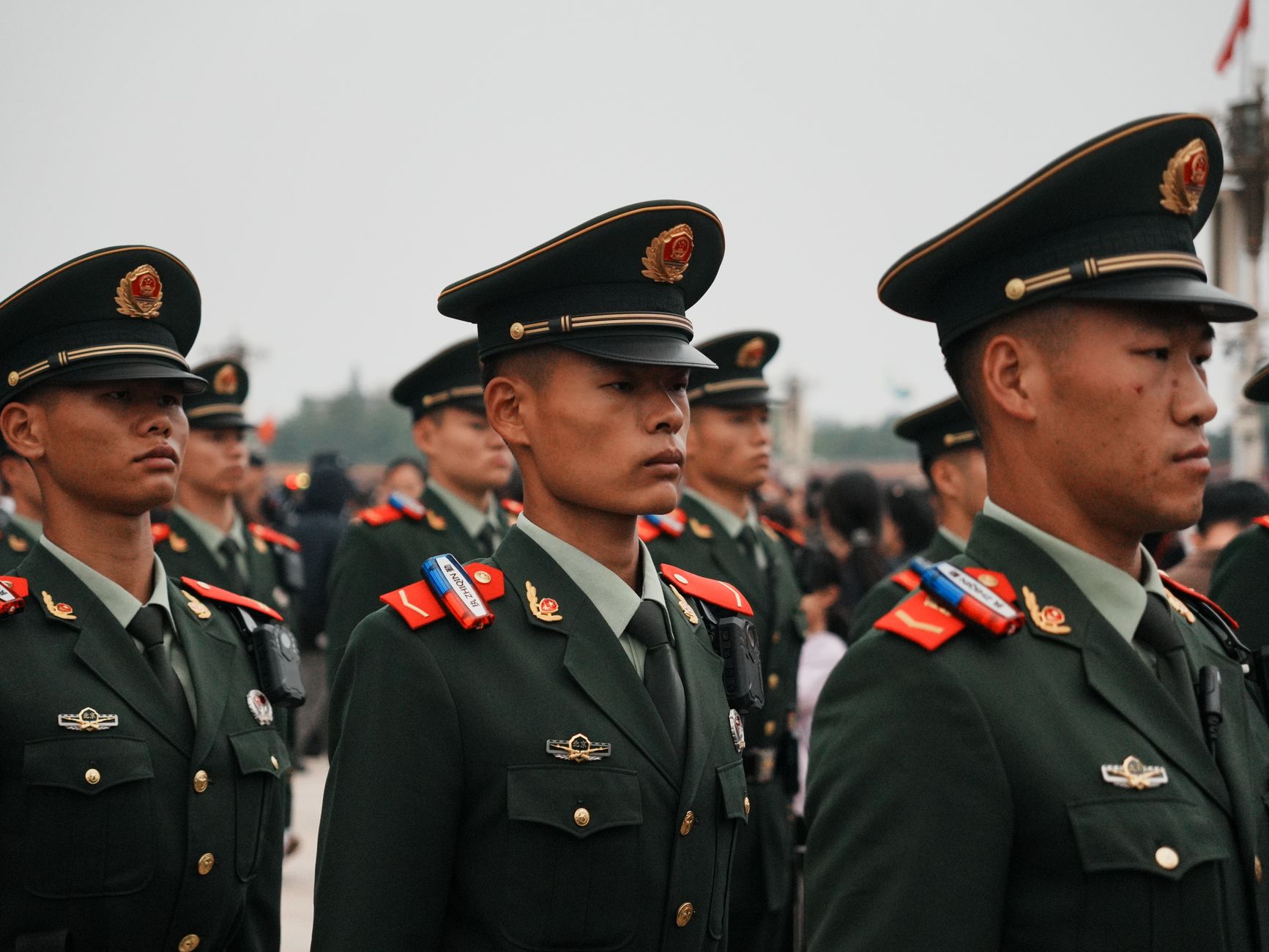
China defence mobilisation law has been revised to impact nearly every sector, raising concerns and discussions among legal experts and businesses alike.
Overview of China’s Defence Mobilisation Law
China’s Defence Mobilisation Law represents a significant shift in the nation’s approach to its defense strategy, impacting various sectors across the economy. Enacted to enhance national security and military preparedness, the law outlines how industries, resources, and personnel can be mobilised in times of conflict or emergency.
The key objectives of the law include:
- Streamlined Mobilisation: Establishing clear protocols for rapid mobilisation of civilian resources, ensuring that both military and civilian sectors can operate seamlessly during crises.
- Resource Allocation: Prioritising the allocation of materials and manpower to support military operations, significantly affecting industries such as manufacturing and logistics.
- Public Participation: Encouraging citizens to engage in national defense efforts, fostering a sense of collective responsibility among the populace.
As the law unfolds, its implications will be felt across various industries, from technology to agriculture, with each sector required to adapt to new regulations and expectations. Analysts suggest that the Defence Mobilisation Law could lead to increased government oversight, prompting businesses to rethink their operational strategies to remain compliant while supporting national security objectives.
Overall, the law marks a pivotal moment in China’s defense policy, indicating a robust commitment to preparedness in the face of evolving global threats.
Key Changes in the Revised Law
The revised China defence mobilisation law introduces significant changes that affect various sectors across the country. These adjustments aim to enhance national security and ensure a more integrated approach to mobilising resources in times of crisis.
One of the key changes is the expanded definition of what constitutes a mobilisable resource. Under the new law, not only military supplies but also civilian industries, such as:
- Agriculture
- Manufacturing
- Healthcare
- Transportation
are now included in the mobilisation framework. This broader scope means that businesses in these sectors must prepare for potential state requisitioning of their resources in the event of a national emergency.
Another notable change is the emphasis on cooperation between private enterprises and the government. Companies are encouraged to establish contingency plans and participate in training programs to ensure readiness for mobilization. This collaboration aims to create a seamless transition from peacetime to wartime production.
Furthermore, the law stipulates penalties for non-compliance, thereby increasing the urgency for companies to align their operations with the requirements laid out in the China defence mobilisation law. As a result, many businesses are now reassessing their operational strategies to meet these new demands.
Impacts on Various Sectors
The recent revisions to the China defence mobilisation law are poised to create significant impacts across various sectors. As the government enhances its ability to mobilise resources in times of conflict, numerous industries must adapt to new requirements and responsibilities.
Key sectors affected include:
- Manufacturing: Companies may be required to pivot production lines to support military needs, potentially altering supply chains and workforce management.
- Technology: The tech industry faces stricter regulations regarding data security and collaboration with military projects, raising concerns about privacy and intellectual property.
- Transportation: Logistics companies might see an increase in demand for services that facilitate the rapid movement of troops and equipment, necessitating new partnerships with government agencies.
- Healthcare: Hospitals and medical suppliers could be called upon to support military personnel, affecting normal operations and resource allocation.
- Energy: Energy producers may need to ensure their infrastructure can withstand wartime pressures, leading to shifts in investment strategies.
These changes underscore the law’s broad reach and the necessity for sectors to prepare for a more militarised economic landscape.
Legal Implications for Businesses
The recent enactment of the China defence mobilisation law presents significant legal implications for businesses operating within the country. Companies must now navigate a complex landscape of obligations that may affect their operational frameworks and strategic planning.
One of the primary concerns for businesses is the potential for increased government oversight and intervention. Under the new law, the government has the authority to requisition resources and facilities for defence purposes. This could lead to disruptions in supply chains, especially for industries deemed critical for national security.
- Compliance Requirements: Businesses may need to develop compliance protocols to ensure they meet the law’s mandates, increasing administrative burdens.
- Contractual Obligations: Existing contracts may require renegotiation to align with the law’s provisions, particularly for those in sectors like manufacturing and technology.
- Liability Risks: Non-compliance could result in legal repercussions, including fines or penalties, heightening risks associated with operational continuity.
As the law continues to unfold, businesses are urged to engage legal counsel to assess their specific risks and prepare for the evolving regulatory environment. Understanding these legal implications is crucial for maintaining competitive advantage in the affected sectors.
Expert Opinions on the Revision
Experts have weighed in on the implications of the recently revised China defence mobilisation law, emphasizing its broad reach across multiple sectors. Many analysts believe that the law will significantly alter how businesses operate, particularly those in industries deemed critical to national security.
According to Dr. Wei Chen, a defence policy specialist, “The revised law underscores the necessity for companies to align their operations with national interests. This could mean increased scrutiny and potential disruptions for firms that fail to comply.”
Furthermore, industry leaders are concerned about the potential for increased government intervention. “The law could lead to a more controlled economy, where private enterprises are compelled to support state objectives,” said Liu Fang, an economist. “This might create challenges for foreign investors who value autonomy.”
Others point out that the mobilization law could enhance collaboration between the government and private sectors. “While there may be challenges, there’s also an opportunity for businesses to engage more meaningfully with national projects,” noted Zhang Rong, a legal advisor. “Understanding the law is essential for navigating this new landscape.”
As the discussion evolves, one thing is clear: the China defence mobilisation law will have lasting impacts that require thorough examination and strategic adaptation from all stakeholders involved.
The China defence mobilisation law is expected to significantly affect the technology sector, as companies may need to align their operations with national security priorities. Additionally, the China defence mobilisation law could lead to increased scrutiny of foreign investments in key industries.
Photo by Da Na on Pexels