
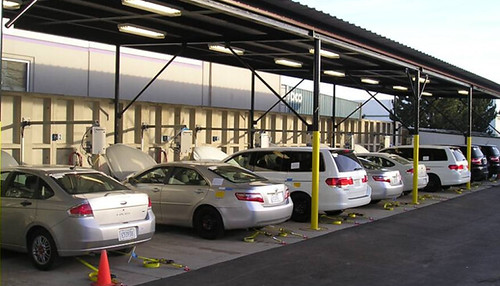
EPA emission rules are a crucial topic for Minnesota, especially with recent changes in regulations. Understanding how to navigate these rules is essential for the state’s environmental future.
Understanding EPA Emission Rules
The Environmental Protection Agency (EPA) emission rules play a crucial role in shaping air quality standards across the United States, including Minnesota. These regulations are designed to limit harmful pollutants released into the atmosphere, promoting healthier environments for residents.
As states face challenges from potential rollbacks in these regulations, understanding the implications of the EPA emission rules becomes vital. Key aspects include:
- Compliance Requirements: States must adhere to specific limits on emissions to avoid penalties.
- Public Health Impact: Stricter rules can lead to improved air quality, reducing respiratory issues among the population.
- Economic Considerations: Implementing cleaner technologies can foster innovation and create jobs.
By staying informed and proactive, Minnesota can navigate the complexities of the EPA emission rules and secure a sustainable future.
Impact of Lax Regulations on Minnesota
The impact of lax regulations on Minnesota’s environment and public health is becoming increasingly evident. Without stringent EPA emission rules, air quality is at risk, leading to various health issues for residents. The consequences may include:
- Increased respiratory problems: Poor air quality contributes to asthma and other lung diseases.
- Environmental degradation: Pollutants can harm local ecosystems, affecting wildlife and water quality.
- Climate change acceleration: Lack of regulation can lead to higher greenhouse gas emissions, worsening climate impacts.
In light of these potential threats, Minnesota must adopt proactive measures to counteract the effects of relaxed federal policies, ensuring a healthier future for its citizens and the environment.
Strategies for Compliance and Adaptation
As Minnesota faces the challenges posed by evolving EPA emission rules, implementing effective strategies for compliance and adaptation will be crucial. Here are some recommended approaches:
- Invest in Clean Technology: Transitioning to renewable energy sources can significantly reduce emissions and align with EPA standards.
- Enhance Public Transportation: Expanding and promoting public transit options can decrease reliance on personal vehicles, lowering overall emissions.
- Community Engagement: Local governments should involve communities in discussions about sustainable practices and compliance strategies.
- Monitor Emission Sources: Regular assessments of industrial emissions can help identify areas for improvement and ensure adherence to regulations.
By actively pursuing these strategies, Minnesota can better navigate the implications of lax EPA emission rules while fostering a sustainable future.
Community Responses to Emission Changes
As Minnesota grapples with the implications of the new EPA emission rules, community responses have varied widely. Local leaders and organizations are voicing their opinions on how these regulations will shape the future of the state.
Many residents express concern over potential economic impacts, particularly in industries heavily affected by compliance costs. Others advocate for the health benefits associated with stricter emissions standards, emphasizing the importance of clean air.
Some key community responses include:
- Support for Green Initiatives: Many groups are pushing for investments in renewable energy and sustainable practices.
- Public Awareness Campaigns: Organizations are launching efforts to educate citizens about the benefits of adhering to the EPA emission rules.
- Calls for Local Action: Community members are urging local governments to take proactive measures in response to the new regulations.
Legal Implications for Businesses
The implementation of EPA emission rules presents significant legal implications for businesses operating in Minnesota. As companies strive to meet new regulatory standards, they may face challenges regarding compliance and potential litigation. Failure to adhere to these regulations can result in hefty fines and reputational damage.
Furthermore, businesses must be aware of the evolving legal landscape surrounding emission standards, which may include:
- Increased scrutiny from regulatory bodies, leading to more frequent inspections.
- Potential lawsuits from environmental groups seeking to enforce compliance.
- Liability issues arising from non-compliance that could impact financial stability.
To navigate these complexities, it is crucial for businesses to engage legal experts and develop robust compliance strategies that align with current and future EPA emission rules.
Future of Environmental Policies in Minnesota
The future of environmental policies in Minnesota hinges on the effective implementation of EPA emission rules. As the state grapples with challenges posed by relaxed federal regulations, local leaders and organizations are advocating for stronger initiatives to ensure sustainability and public health.
In this evolving landscape, several strategies are being proposed:
- Investment in Renewable Energy: Transitioning to solar and wind power can significantly reduce emissions.
- Enhanced Public Transportation: Improving transit options can lessen reliance on personal vehicles.
- Community Education: Raising awareness about sustainable practices encourages individual responsibility.
By prioritizing these initiatives, Minnesota can navigate the complexities of federal policies while fostering a healthier environment for future generations.
Case Studies of Successful Adaptation
Several Minnesota companies have successfully adapted to the new EPA emission rules, showcasing innovative strategies that can serve as models for others. These case studies highlight the importance of proactive measures in reducing emissions while maintaining productivity.
- Case Study 1: A local manufacturing plant implemented a state-of-the-art filtration system, resulting in a 30% reduction in harmful emissions. This investment not only improved compliance but also enhanced their market reputation.
- Case Study 2: A small agricultural firm adopted renewable energy sources, significantly lowering their carbon footprint and reducing operational costs, while also attracting eco-conscious consumers.
- Case Study 3: A transportation company revamped its logistics to optimize fuel efficiency, leading to reduced emissions and substantial savings on fuel expenses.
These examples illustrate the potential for adaptation and innovation in the face of regulatory challenges.
How Citizens Can Get Involved
Citizens play a crucial role in shaping the future of Minnesota’s environmental policies, especially in light of the EPA emission rules. Here are some ways to get involved:
- Attend Community Meetings: Engage with local councils and attend public hearings to voice your concerns and suggestions.
- Join Environmental Groups: Collaborate with organizations focused on advocating for stricter emission standards and sustainability practices.
- Participate in Clean-Up Events: Volunteer for local initiatives that promote clean air and reduce pollution.
- Advocate for Policy Change: Contact your representatives to express support for stronger environmental regulations and enforcement.
- Educate Others: Share information about the importance of adhering to EPA emission rules and their impact on health and the environment.
By taking these actions, citizens can help strengthen Minnesota’s commitment to a sustainable future.
By oakridgelabnews via Openverse