
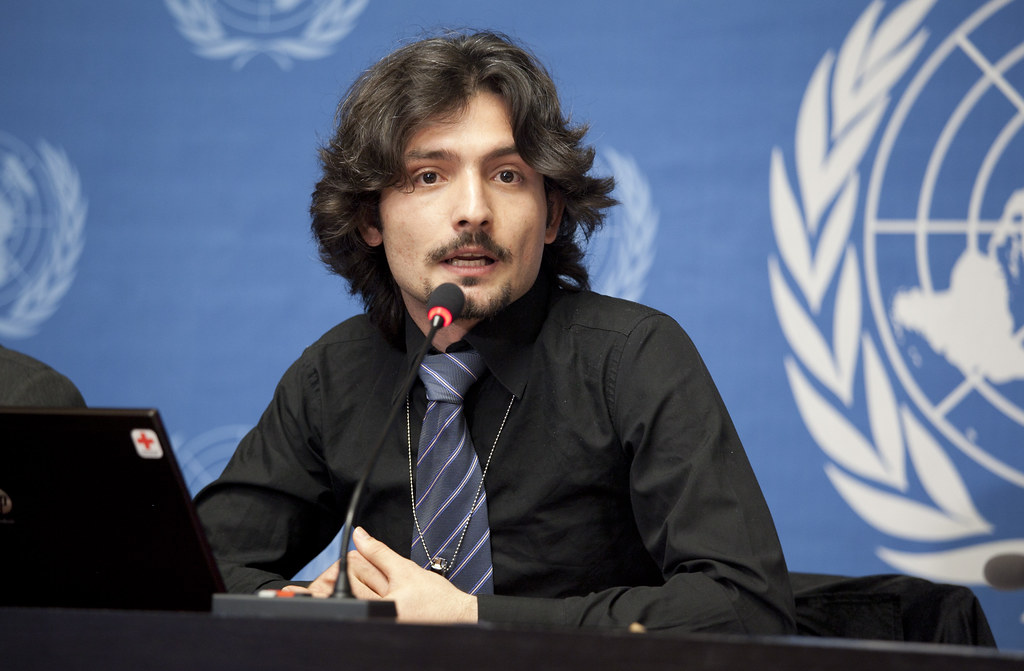
Press freedom and individual rights must be protected in today’s society. This article explores the legal frameworks that ensure both are upheld while maintaining a democratic balance.
Understanding Press Freedom
Press freedom is a cornerstone of democratic societies, allowing journalists to investigate, report, and inform the public without fear of censorship or retaliation. This freedom is essential not only for the media but also for the protection of individual rights. When journalists can operate freely, they serve as watchdogs, holding those in power accountable and ensuring transparency.
However, the relationship between press freedom and individual rights can be complex. Striking a balance is vital; laws must protect the rights of individuals while allowing the press to fulfill its role. Without adequate protections, journalists may face harassment, intimidation, or legal repercussions, ultimately undermining democratic values.
To promote a healthy dialogue on this issue, stakeholders must work towards policies that safeguard both press freedom and individual rights. Only through collaboration can society ensure that the essential functions of the press are preserved while respecting the dignity and rights of all individuals.
The Importance of Individual Rights
The intersection of press freedom and individual rights is vital to a healthy democracy. When journalists operate freely, they can expose injustices and hold the powerful accountable. However, this freedom must coexist with the protection of individual rights, ensuring that people are not harmed in the pursuit of news.
Protecting individual rights involves several key components:
- Privacy: Individuals should have the right to privacy, preventing unwarranted intrusion by the media.
- Safety: Journalists must report without fear of violence or intimidation, which can infringe on both press freedom and individual rights.
- Fair Representation: Ensuring that all voices are heard in the media protects individuals from misrepresentation and bias.
By prioritizing both press freedom and individual rights, society can create an environment that fosters transparency and accountability.
Legal Frameworks Supporting Both
Legal frameworks around the world have increasingly recognized the need to balance press freedom and individual rights. These frameworks are crucial in ensuring that journalists can operate without fear of censorship or retribution while also protecting the privacy and dignity of individuals.
Key components of these legal frameworks include:
- Constitutional Protections: Many countries enshrine press freedom in their constitutions, providing a strong legal basis for journalists.
- Defamation Laws: While essential for protecting individual rights, these laws must be carefully crafted to avoid stifling legitimate reporting.
- Access to Information Acts: These laws promote transparency and accountability, empowering journalists while respecting individual privacy.
Ultimately, a well-designed legal framework can foster an environment where press freedom and individual rights coexist, creating a more informed and just society.
Challenges in Balancing Rights
One of the primary challenges in balancing rights lies in the tension between press freedom and individual rights. Journalists often find themselves navigating sensitive areas, where the pursuit of truth can conflict with the privacy and dignity of individuals.
The following factors contribute to this complex landscape:
- Public Interest vs. Privacy: Determining when information serves the public good versus infringing on personal privacy can be contentious.
- Defamation Risks: Journalists face potential legal repercussions when reporting on individuals, creating a chilling effect on press freedom.
- Government Regulation: State intervention can sometimes overreach, limiting press access to information essential for public accountability.
Addressing these challenges requires a concerted effort to develop robust legal protections that uphold both press freedom and individual rights, fostering an environment conducive to informed public discourse.
Recent Legal Developments
Recent legal developments have highlighted the ongoing struggle to uphold press freedom while protecting individual rights. Courts across various jurisdictions have made rulings that aim to clarify the boundaries between these two essential aspects of democracy. For instance, a recent case in the Supreme Court established that journalists have the right to source confidentiality, reinforcing the need for a free press in uncovering the truth. However, this ruling also sparked debates about the potential risks to individual rights, particularly concerning privacy and defamation.
In another notable instance, legislative bodies are revisiting laws that govern the dissemination of information, striving to strike a balance that ensures press freedom does not infringe on personal rights. As these legal frameworks evolve, it becomes increasingly important to consider how they can coexist in a way that fosters both a vibrant press and the protection of individual freedoms.
Public Opinion on Press Freedom
Public opinion on press freedom and individual rights remains a contentious issue in many societies. A recent survey indicated that a significant portion of the population believes that protecting the press is essential for maintaining democratic values. However, there is also a growing concern about the potential for press freedom to infringe on individual rights.
Many respondents expressed the view that while press freedom is critical, it should not come at the expense of personal privacy and dignity. This has sparked a debate on how to achieve a balance between these two important principles. Key findings from the survey include:
- 65% of participants support stronger protections for journalists.
- 72% believe that individual rights should be safeguarded against media overreach.
- 58% think that current laws inadequately protect both press freedom and individual rights.
These perspectives highlight the need for a nuanced approach to policy-making that respects both press freedom and individual rights.
Future of Press and Individual Rights
As we look to the future of press freedom and individual rights, it becomes clear that a harmonious balance must be achieved. The evolving landscape of technology and communication presents both opportunities and challenges.
Governments, media organizations, and civil society must work collaboratively to ensure that the rights of individuals are not overshadowed by the pursuit of sensational journalism.
This includes:
- Enhancing legal protections for whistleblowers and journalists, ensuring their safety while reporting on sensitive issues.
- Promoting media literacy to empower citizens to critically engage with information.
- Encouraging ethical journalism that respects individual rights and privacy.
By prioritizing the dual pillars of press freedom and individual rights, society can foster an environment where both can thrive, ultimately leading to a more informed and engaged public.
By US Mission Geneva via Openverse
Where this came from
Coffee Cup Law Backflip: NSW Government’s Quick Decision · Carer’s allowance rule: Worst change to be abolished in budget · Vietnam Customs Law: Clear Changes Worth Noting for 2027