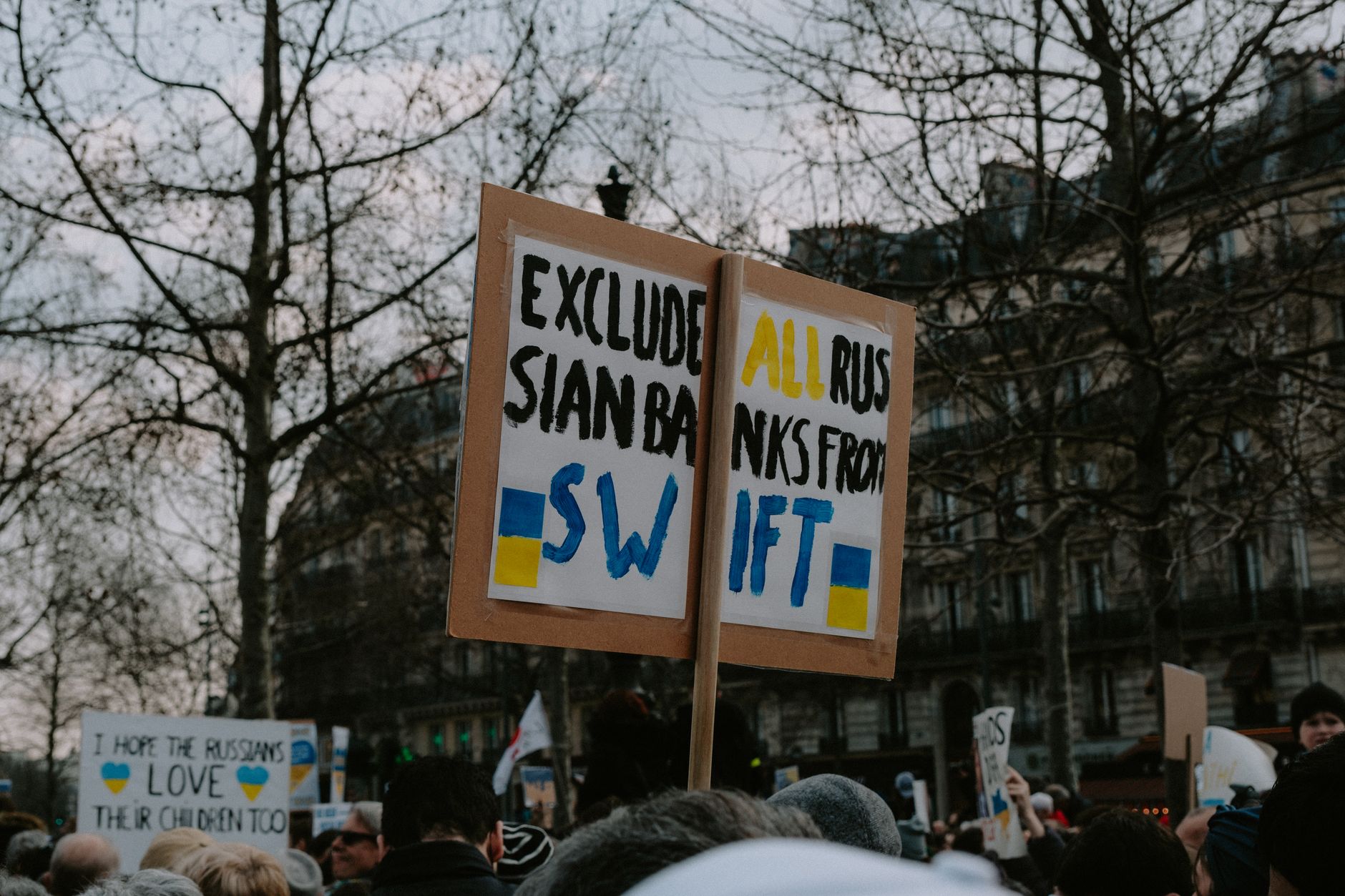
Russia sanctions law was a key topic as Jaishankar met Rubio on the sidelines of the UNGA, addressing Delhi’s significant concerns.
Background on Russia sanctions law
The ongoing discussions surrounding the Russia sanctions law have sparked significant concern among various nations, particularly India. During a recent meeting on the sidelines of the United Nations General Assembly (UNGA), Indian External Affairs Minister S. Jaishankar expressed Delhi’s apprehensions regarding the implications of these sanctions on international relations and trade.
The sanctions, imposed due to geopolitical tensions, have created a complex landscape for countries that maintain strategic partnerships with Russia. Jaishankar highlighted that these measures could inadvertently affect nations that are not directly involved in the conflict, leading to unintended consequences.
Key points raised by Jaishankar include:
- The potential disruption of global supply chains.
- Concerns about energy security and its impact on economic stability.
- The need for a balanced approach to sanctions that considers the interests of various countries.
As countries navigate these challenges, the dialogue initiated by Jaishankar underscores the importance of understanding the broader implications of the Russia sanctions law and finding a path that promotes stability and cooperation among nations.
Jaishankar’s meeting with Rubio
During a recent meeting on the sidelines of the United Nations General Assembly, Indian External Affairs Minister S. Jaishankar engaged in discussions with U.S. Senator Marco Rubio regarding the implications of the Russia sanctions law. Jaishankar expressed India’s growing concerns over the potential impact of these sanctions on nations that maintain diplomatic and economic ties with Russia.
Rubio, a prominent advocate for a stringent approach towards Russia, acknowledged India’s position and the complexities involved. The senator emphasized the importance of a united front in addressing global security challenges but also recognized the need for understanding the specific circumstances of India.
Jaishankar articulated that India’s strategic interests necessitate a balanced approach, particularly in energy and defense sectors. He highlighted the need for dialogue to ensure that sanctions do not inadvertently hinder the capabilities of countries like India to engage positively on the global stage.
Both leaders agreed on the necessity of ongoing consultations as the geopolitical landscape evolves. They emphasized the importance of ensuring that the Russia sanctions law is implemented in a manner that considers the diverse interests of different nations, particularly those with historical ties to Russia.
As the situation develops, continued dialogue may be crucial in navigating these complex international relations.
Delhi’s position on sanctions
During the recent meeting on the sidelines of the United Nations General Assembly, Indian External Affairs Minister S. Jaishankar expressed serious concerns regarding the implications of the Russia sanctions law. His remarks highlighted Delhi’s position on the ongoing geopolitical tensions and the potential economic repercussions that could affect India.
Jaishankar emphasized that India has maintained a neutral stance towards the sanctions imposed on Russia, advocating for dialogue and diplomacy as essential tools for conflict resolution. He pointed out that unilateral sanctions often lead to unintended consequences, complicating international relations and affecting global stability.
In his discussion with Senator Marco Rubio, Jaishankar outlined several key points:
- Impact on Trade: The sanctions law could disrupt India’s trade relations with Russia, particularly in energy and defense sectors.
- Global Supply Chains: He warned that these sanctions might impact global supply chains, affecting not just India but many countries reliant on Russian exports.
- Strategic Partnerships: Jaishankar reiterated the importance of maintaining strategic partnerships while navigating the complexities of international law and sanctions.
Overall, Jaishankar’s comments reflect India’s careful balancing act in addressing international pressures while safeguarding its national interests.
Impact of sanctions on India
The recent discussions surrounding the Russia sanctions law have raised significant concerns for India, particularly in the context of its diplomatic and economic relations. Indian External Affairs Minister S. Jaishankar emphasized the potential ramifications of these sanctions during his meeting with U.S. Senator Marco Rubio. He pointed out that the law could disrupt India’s ongoing collaborations with Russia, especially in sectors critical for national security and energy.
Jaishankar highlighted several key impacts that could arise from the enforcement of these sanctions:
- Defense Cooperation: India has a long-standing relationship with Russia in defense procurement, and the sanctions could hinder the acquisition of essential military equipment.
- Energy Security: India relies on Russian oil and gas supplies, and any restrictions could jeopardize energy security and lead to increased costs.
- Geopolitical Dynamics: The sanctions may alter the balance of power in the region, affecting India’s strategic interests and partnerships.
These concerns reflect India’s broader strategy of maintaining a multipolar world, where it can engage with various nations without being overly influenced by unilateral sanctions imposed by other countries. The implications of the Russia sanctions law remain a critical issue for India’s foreign policy agenda.
International reactions to sanctions
International reactions to the Russia sanctions law have been varied, with several countries expressing their concerns over its potential ramifications. During a recent meeting between Indian External Affairs Minister S. Jaishankar and U.S. Senator Marco Rubio on the sidelines of the UN General Assembly, the topic of sanctions was at the forefront of discussions.
Jaishankar articulated India’s apprehensions regarding the law, emphasizing the unintended consequences it could pose for global trade and diplomacy. He highlighted a few key points that have resonated with other nations:
- Economic Stability: Many countries fear that the sanctions could disrupt markets and lead to broader economic instability.
- Diplomatic Relations: Nations are wary that imposing sanctions may strain bilateral relationships, especially for countries with historically neutral stances.
- Humanitarian Concerns: There is a growing concern that sanctions could adversely affect humanitarian efforts, impacting vulnerable populations.
Furthermore, several nations are calling for a reconsideration of the sanctions law, advocating for a more balanced approach that prioritizes diplomatic engagement over punitive measures. This sentiment reflects a wider apprehension regarding the law’s implications, particularly in the context of global cooperation.
Future of India-Russia relations
The future of India-Russia relations appears to be under significant scrutiny following the introduction of the Russia sanctions law. India’s long-standing partnership with Russia has been characterized by strong economic and military ties, but recent developments have raised questions about the sustainability of this relationship.
During his recent meeting with U.S. Senator Marco Rubio, Indian External Affairs Minister S. Jaishankar articulated Delhi’s concerns regarding the implications of the sanctions law. He emphasized that these sanctions could create challenges not only for India but also for other nations that maintain strategic partnerships with Russia.
India has reiterated its commitment to a multipolar world and the importance of maintaining robust ties with Russia amid geopolitical tensions. However, the ramifications of the sanctions law may compel India to reassess its diplomatic stance and economic engagements. Key considerations include:
- Potential disruptions in defense procurement from Russia.
- Increased pressure from Western nations to align with their sanctions frameworks.
- The need to balance relations with both the United States and Russia.
As the situation evolves, stakeholders will closely monitor how India navigates the complexities posed by the Russia sanctions law and its broader implications for regional stability.
Legal implications of sanctions
The recent discussions surrounding the Russia sanctions law have highlighted significant legal implications that could affect various nations’ interactions with Russia. As countries navigate the complexities of international law, the enforcement of sanctions raises questions about compliance and potential repercussions for violators.
Experts have pointed out several key concerns regarding the legal framework of these sanctions:
- Jurisdictional Issues: Nations must consider which laws apply when trading or engaging with Russian entities, leading to potential conflicts between national and international regulations.
- Enforcement Challenges: Ensuring compliance with sanctions can be difficult, particularly when countries have differing interpretations of the legal stipulations involved.
- Impact on Bilateral Agreements: Existing treaties and agreements may be strained or rendered ineffective due to the legal ramifications of adhering to sanctions.
- Potential Liability: Entities engaging with Russia could face legal challenges if found in violation of sanctions, raising concerns about risks to businesses and investors.
As the global landscape continues to evolve, nations must carefully assess the implications of the Russia sanctions law and its subsequent impact on international relations and legal frameworks.
Conclusion on diplomatic efforts
In conclusion, the ongoing diplomatic efforts surrounding the Russia sanctions law reflect a complex interplay of international relations, national interests, and geopolitical strategies. As highlighted by Jaishankar during his recent meeting with Senator Marco Rubio, there are significant concerns regarding the implications of these sanctions on countries like India, which maintain strategic partnerships with Russia.
Jaishankar’s remarks underscore the necessity for a balanced approach to sanctions, emphasizing that while nations must adhere to international norms, they also need to consider the broader ramifications on global stability and economic cooperation. The discussions suggest a growing awareness among nations about the need for dialogue and collaboration to address the challenges posed by unilateral sanctions.
Moreover, the potential impact on India-Russia relations cannot be overlooked. As India navigates its foreign policy landscape, the significance of maintaining strong ties with Russia remains evident, especially in areas such as defense and energy. The diplomatic dialogue initiated by Jaishankar may pave the way for more nuanced discussions at international forums, fostering an environment where mutual interests can be addressed without compromising sovereignty.
Ultimately, the resolution of concerns related to the Russia sanctions law may depend on continued engagement and negotiation among global powers, highlighting the importance of diplomacy in the face of emerging challenges.
Photo by Mathias Reding on Pexels