
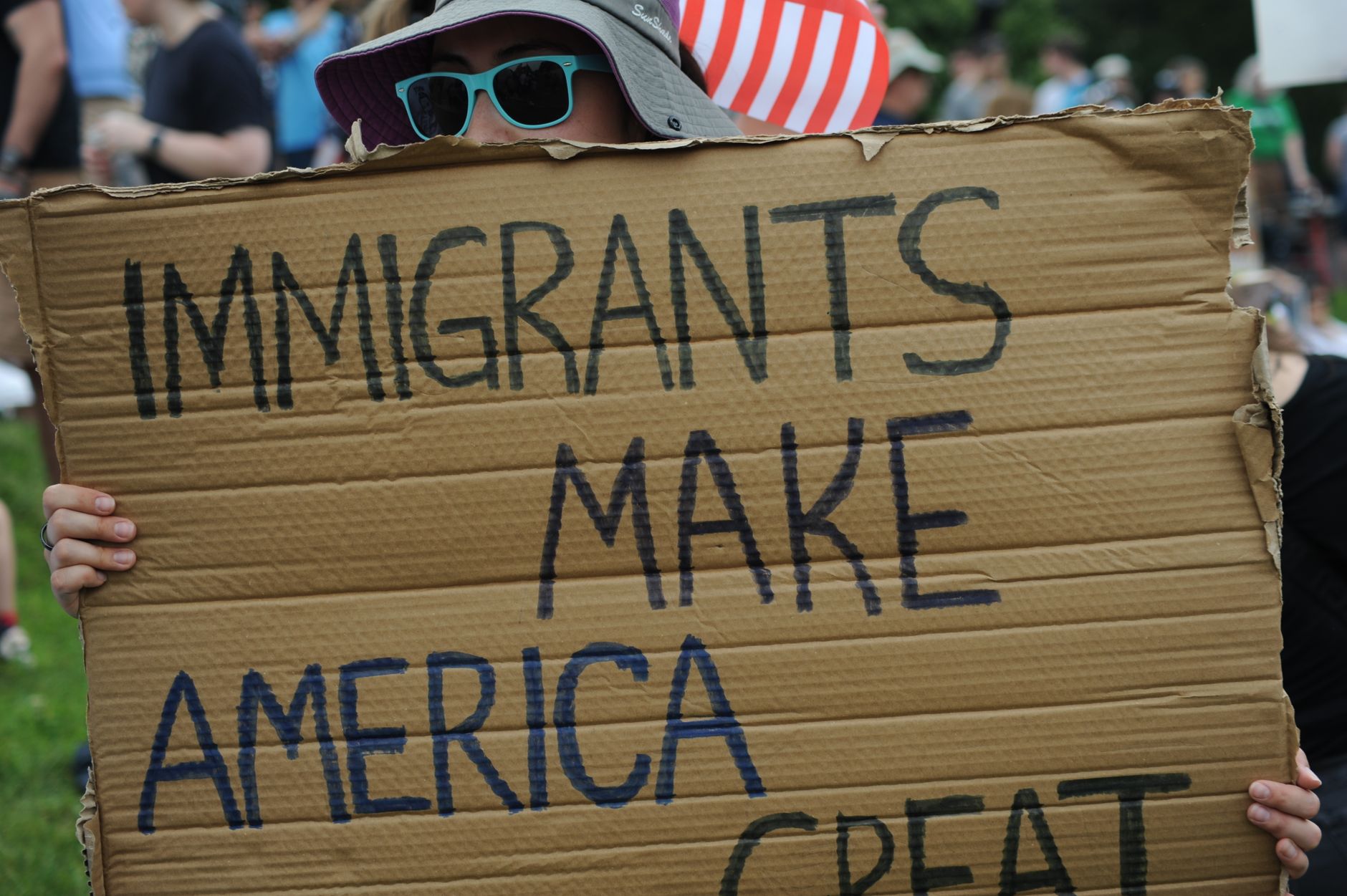
Trump immigration rule change has led to significant backlash, prompting a coalition of states to file a lawsuit against the administration. This legal battle could reshape immigration policies across the nation.
Overview of the lawsuit
A coalition of states has filed a lawsuit against the Trump administration regarding a recent immigration rule change that they argue undermines state sovereignty and public safety. The plaintiffs, which include several Democratic-led states, assert that the new regulations will impose significant burdens on their resources and disrupt local communities.
The lawsuit contends that the Trump immigration rule change was enacted without sufficient consultation with state governments, violating the principles of federalism. According to the states, the rule not only complicates the legal immigration process but also encourages unlawful practices that could lead to increased crime rates.
In their court filings, the states emphasize the following key points:
- Unfunded Mandates: The changes require states to allocate additional resources to manage the influx of immigrants.
- Public Safety Concerns: The rule may inadvertently increase the risk of crime and instability.
- Disregard for Local Input: The administration’s failure to consult with states undermines collaborative governance.
Implications for immigration policy
The recent Trump immigration rule change has sparked significant debate among states, as the implications for immigration policy could be profound. A coalition of states argues that this change undermines their authority to regulate immigration and provide services to their residents. The states believe that the new rule may lead to increased fear and uncertainty among immigrant communities, which could deter individuals from seeking essential services.
Among the potential consequences of the rule change are:
- Increased legal challenges: States may find themselves embroiled in protracted legal battles as they attempt to counter the administration’s policies.
- Economic repercussions: A decline in immigrant populations could negatively impact local economies, particularly in industries that rely heavily on immigrant labor.
- Public health concerns: Fear of deportation may prevent individuals from accessing healthcare services, exacerbating public health risks.
As this legal battle unfolds, the future of immigration policy remains uncertain, with states poised to take a stand against what they perceive as detrimental changes.
States involved in the lawsuit
A coalition of states has come together to challenge the recent Trump immigration rule change, arguing that it undermines their ability to manage immigration effectively. The states involved in the lawsuit include:
- California – Known for its significant immigrant population, California has taken a strong stance against policies it views as harmful.
- New York – As a melting pot of cultures, New York’s leaders are concerned about the impact on its diverse communities.
- Illinois – With a large number of immigrants contributing to its economy, Illinois is pushing back against changes that could affect their livelihoods.
- Washington – This state has a history of defending the rights of immigrants and is actively participating in the coalition.
- New Jersey – Leaders in New Jersey fear the rule change will create unnecessary barriers for families and workers.
These states believe that the Trump immigration rule change could have far-reaching negative effects, prompting them to take legal action to protect their residents.
Reactions from legal experts
Legal experts have expressed strong concerns regarding the recent Trump immigration rule change. They argue that the alterations could have lasting negative impacts on both states and immigrants seeking refuge in the United States.
One prominent immigration attorney stated, “This rule change undermines state authority and disregards the complexities of immigration law.” Many experts believe that the administration’s move is more about political gain than genuine reform.
Additionally, a professor of law noted, “The implications of this decision may lead to increased legal challenges, as states feel compelled to defend their rights and interests.” The fear is that the new rule could create a legal quagmire, tying up resources that could be better spent on community support.
- Judicial challenges may arise from states seeking to protect their immigration policies.
- Advocacy groups are expected to mobilize against the rule change.
- Long-term effects could include strained relationships between states and the federal government.
Potential outcomes of the case
The potential outcomes of the case regarding the Trump immigration rule change could significantly affect both states and the broader landscape of immigration policy. If the court rules in favor of the coalition of states, it may halt the implementation of the new rule, preserving existing protections for immigrants and allowing states to maintain their current policies. This could lead to:
- A reinstatement of previous immigration guidelines: States may revert to established practices that support immigrant rights.
- Increased state autonomy: States could gain more control over their immigration processes, fostering diverse approaches.
- Legal precedents: A ruling against the Trump administration could set a precedent, empowering other states to challenge federal immigration policies.
Conversely, if the court upholds the Trump immigration rule change, states may face new challenges, including:
- Strained state resources: Implementing the new rules could burden state agencies.
- Potential public unrest: Communities may react negatively to changes perceived as unfair or harmful.
Historical context of immigration rules
The history of immigration rules in the United States has been shaped by various administrations, reflecting changing political landscapes and societal attitudes. The Trump immigration rule change marks a significant departure from previous policies aimed at inclusivity and support for immigrant communities.
Historically, immigration policies have alternated between restrictive measures and more open approaches, often influenced by economic needs, national security concerns, and humanitarian obligations. For instance, during the Obama administration, there was a focus on programs like DACA, which provided protections for young immigrants. In contrast, the Trump administration has emphasized stricter enforcement and reduced pathways to legal residency.
Many states have been affected by these shifts, as they navigate the complexities of federal immigration policies while addressing local needs. The current lawsuit represents a coalition of states concerned about the implications of the Trump administration’s latest rule changes, arguing that such measures undermine state interests and public welfare.
As the case unfolds, the historical context of immigration regulation will play a crucial role in shaping the conversation around these contentious changes.
The Trump immigration rule change has sparked significant backlash from state leaders who argue it undermines local economies. Many believe the Trump immigration rule change will lead to increased uncertainty for immigrant communities and their contributions to society.
Photo by Germar Derron on Pexels
References
Related stories
New Tax Law: The Best Proven Strategy for Innovation · Is Financed Vehicle Lawfully Seizure the Right Approach? · UPI Transaction Costs: Are They the Worst Hidden Fees?