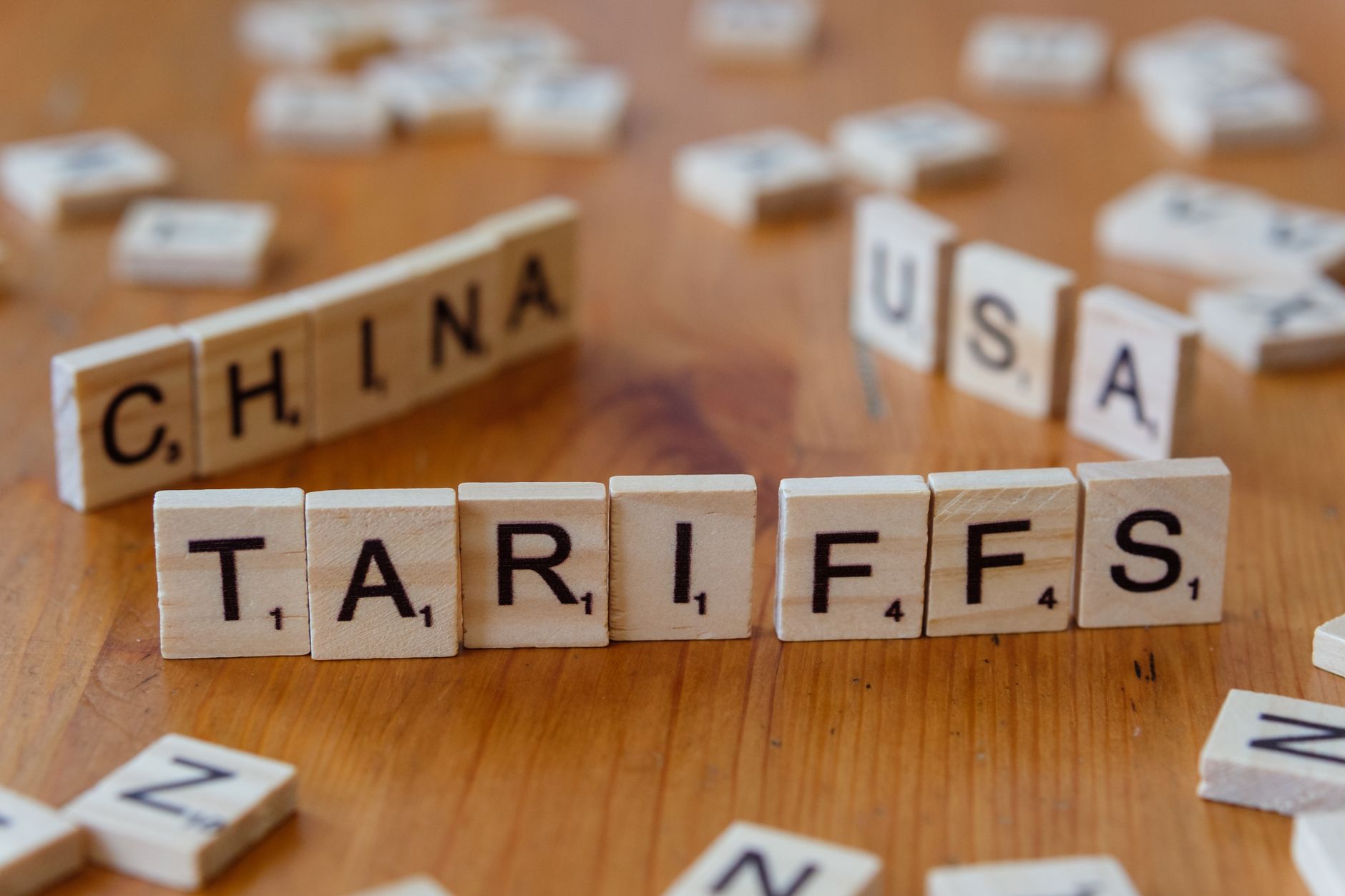
US tariff impact on India is a pressing issue as new sanctions come into play. Understanding the implications of these tariffs is crucial for businesses and consumers alike.
Understanding US Tariffs
The imposition of tariffs by the United States has significant implications for trade partners, particularly India. Understanding US tariffs is essential for grasping how they affect economic relations and market dynamics.
Tariffs are taxes imposed on imported goods, and they can lead to increased prices for consumers and businesses alike. In the context of US tariff impact on India, the repercussions can be multifaceted:
- Trade Relations: Increased tariffs may strain the long-standing trade relationship between the US and India, potentially leading to retaliatory measures.
- Market Access: Indian exporters could face diminished access to the US market, impacting sectors such as textiles, agriculture, and technology.
- Investment Flow: Higher tariffs might deter US investments in India, affecting economic growth and job creation in various industries.
- Consumer Prices: Tariffs could raise prices for Indian goods in the US, which may lead to a decrease in demand.
Furthermore, the uncertainty surrounding tariffs can complicate long-term planning for businesses in both countries. As the geopolitical landscape evolves, understanding the nuances of US tariffs remains critical for assessing their impact on India.
What the New Sanctions Bill Means
The recent sanctions bill introduced by the US government has raised significant concerns regarding its potential impact on global trade, particularly the US tariff impact on India. The bill aims to impose stringent measures against countries that facilitate trade with Russia, which could inadvertently affect India’s economic landscape.
Under this new legislation, the US government could impose tariffs that might reach as high as 100% on certain imports from nations deemed non-compliant with the sanctions. This has led to fears that India, which has maintained a complex relationship with Russia, could face severe economic repercussions.
Key points to consider regarding the sanctions bill include:
- Potential Tariff Increases: Indian exports to the US, including textiles and pharmaceuticals, could see prices skyrocket, making them less competitive in the American market.
- Supply Chain Disruptions: With increased tariffs, Indian manufacturers may face challenges in sourcing materials from the US, affecting production and costs.
- Investment Shifts: Investors might reconsider their strategies, leading to a slowdown in foreign direct investment in India as uncertainty grows.
As the situation evolves, it remains crucial for Indian policymakers to assess and respond to the US tariff impact on India, finding ways to mitigate potential losses in trade and investment.
Economic Consequences for India
The recent discussions surrounding US tariffs have raised significant concerns regarding the economic ramifications for India. As the US government considers adjustments to its trade policies, Indian exporters and businesses are bracing for potential challenges that could emerge as a result of these changes.
One of the primary impacts of US tariffs on India is the potential increase in costs for Indian goods entering the US market. Higher tariffs can lead to a reduction in competitiveness, making it more difficult for Indian products to compete with those from other nations. This could particularly affect sectors such as textiles, pharmaceuticals, and agricultural products.
Additionally, the repercussions may extend beyond immediate trade losses. A significant decline in exports could result in job losses within India, particularly in industries heavily reliant on international markets. This could further exacerbate economic instability in regions that depend on these sectors for employment.
Moreover, the uncertainty surrounding US tariff policies might deter foreign investment in India. Investors typically seek stable environments, and fluctuating tariffs could make India a less attractive destination for new ventures. As businesses weigh their options, the long-term growth prospects for the Indian economy could be hindered.
In summary, the US tariff impact on India could lead to increased costs, job losses, and reduced foreign investment, posing serious challenges to the country’s economic landscape.
Trade Relations Between US and India
The trade relations between the US and India have been complex and dynamic, significantly influenced by recent tariff changes. As the US government implements new tariffs, the potential impact on India cannot be understated. This situation raises concerns about the future of bilateral trade, especially given India’s reliance on exports to the US market.
Historically, the US and India have enjoyed a robust trading relationship, characterized by mutual benefits. However, the introduction of tariffs poses several challenges:
- Increased Costs: Indian exporters may face higher costs due to tariffs, making their products less competitive in the US market.
- Market Access: Stricter tariffs could limit access for Indian goods, hindering growth in key sectors such as textiles and information technology.
- Investment Climate: Uncertainty over future tariffs may deter US investment in India, affecting job creation and economic growth.
Furthermore, the US tariff impact on India extends beyond immediate economic consequences. It may also strain diplomatic relations, as both nations navigate the complexities of trade agreements and compliance with international regulations. As the situation evolves, it is crucial for policymakers in India to assess and adapt to these developments to safeguard their economic interests.
Expert Opinions on Tariff Impact
Experts are weighing in on the potential US tariff impact on India as the new sanctions bill stirs concerns within the Indian economy. According to several analysts, the repercussions of such tariffs could be profound and multifaceted.
Dr. Anjali Mehta, an economist at the Indian Institute of Finance, stated, “A 100% tariff on certain Indian goods could lead to a drastic reduction in exports, particularly in sectors like textiles and information technology. This would not only affect businesses but also the livelihoods of millions.”
Moreover, Rajesh Kumar, a trade consultant, emphasized the strategic nature of these tariffs, saying, “The US is using tariffs as a tool to negotiate better trade terms. India must respond with a robust strategy to mitigate the impact.”
In contrast, some experts believe the situation could provide an opportunity for India. “This could be a chance for India to diversify its export markets and reduce dependency on the US,” noted economic analyst Priya Singh.
As the situation unfolds, many are urging the Indian government to engage in proactive diplomacy to address potential trade barriers. The consensus is clear: understanding the US tariff impact on India is crucial for formulating effective responses in the coming months.
Future of US-India Trade
The future of US-India trade appears uncertain in light of the recent changes in tariff policies and sanctions. As both nations navigate this complex landscape, the US tariff impact on India could reshape various sectors, influencing everything from agricultural exports to technology transfers.
Several factors will dictate the trajectory of trade between the two countries:
- Negotiations on Trade Agreements: Ongoing talks about potential trade deals may either alleviate some tariff pressures or exacerbate them, depending on the outcomes.
- Domestic Industry Responses: Indian industries may adapt by seeking new markets or increasing their competitiveness to counteract the effects of US tariffs.
- Geopolitical Dynamics: The evolving relationship between the US and other global powers, particularly Russia and China, can impact tariff decisions and overall trade strategies.
- Technological Collaboration: Enhanced cooperation in technology sectors could provide opportunities for India to offset tariff burdens through innovation and partnership.
As businesses and policymakers assess these factors, the long-term effects of US tariffs on India will become clearer. Understanding these dynamics is crucial for stakeholders aiming to navigate the evolving trade landscape effectively.
The US tariff impact on India has sparked debates among economists regarding its long-term effects on trade relations. As businesses navigate these changes, understanding the US tariff impact on India becomes crucial for strategic planning.
Photo by Markus Winkler on Pexels