
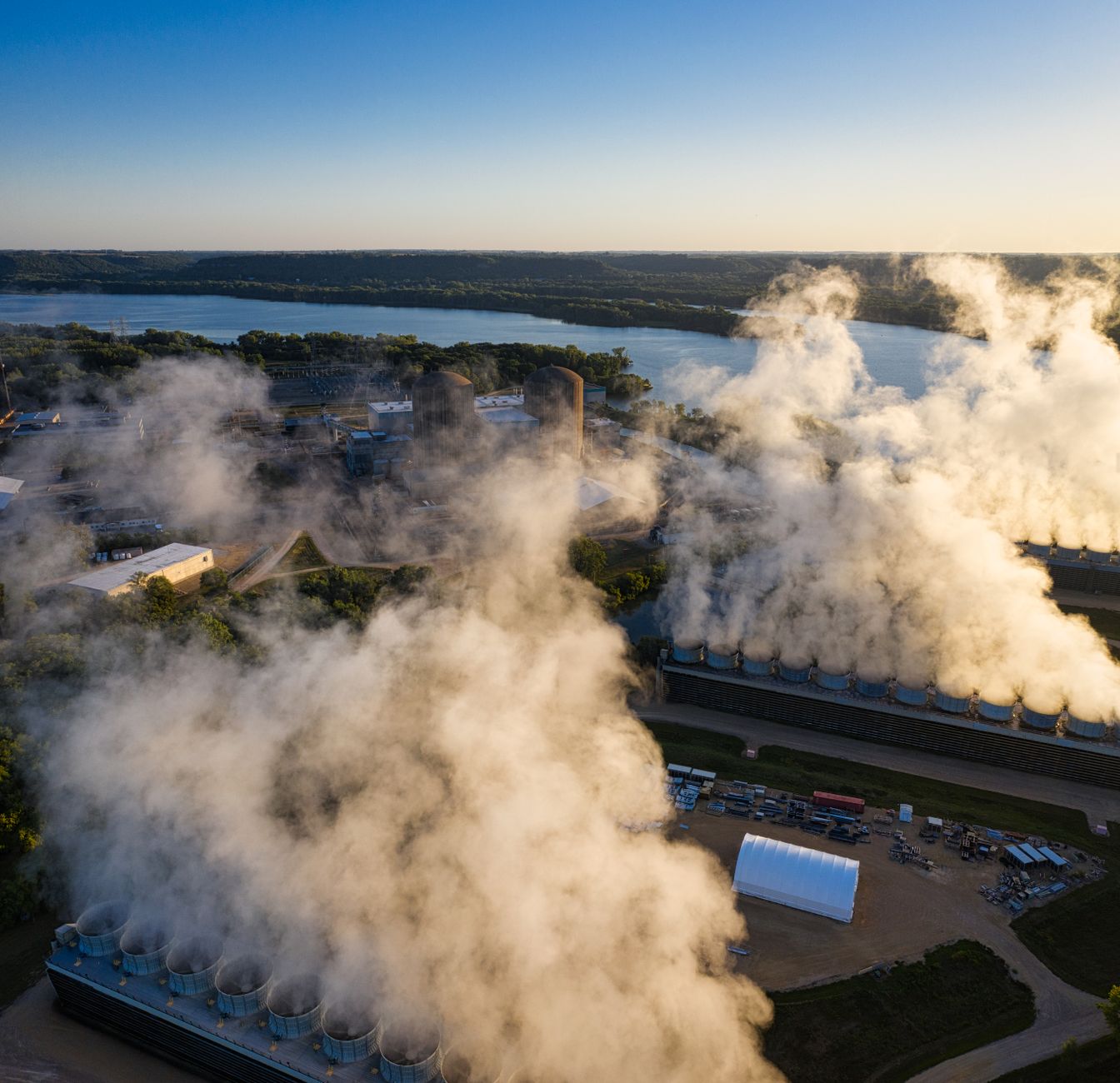
Deregulatory action coal plants is a significant move that aims to keep older coal plants operational longer, raising concerns about environmental impacts and energy policy.
Understanding Deregulatory Actions in Energy
Deregulatory actions in the energy sector have garnered significant attention, particularly with the recent policies aimed at prolonging the life of older coal plants. These measures are viewed as a means to bolster the energy supply, especially in light of the increasing demands of the AI industry. Critics argue that such deregulatory action coal plants could exacerbate environmental issues and slow down the transition to cleaner energy sources.
Supporters, however, contend that maintaining coal plants is essential for economic stability and energy security during the ongoing technological shift. As the power sector undergoes transformation, understanding the implications of these actions is crucial. Key points to consider include:
- Impact on greenhouse gas emissions
- Economic benefits for coal-dependent regions
- Long-term sustainability of energy sources
Balancing energy needs with environmental responsibilities remains a contentious challenge.
Impact of Coal Plants on AI Growth
The recent deregulatory action on coal plants has raised significant concerns regarding its impact on the growth of artificial intelligence (AI). By allowing older coal plants to remain operational, this policy may inadvertently hinder the transition towards cleaner energy sources that are crucial for sustainable technological advancement.
Experts argue that the reliance on coal not only contributes to environmental degradation but also affects the development of AI technologies that require substantial energy resources. As demand for AI continues to surge, the energy sector faces a critical choice: invest in renewable sources or prolong dependence on fossil fuels.
- Environmental Concerns: Increased emissions from coal plants may counteract efforts to create sustainable AI solutions.
- Economic Implications: Long-term reliance on outdated technologies could stifle innovation and investment in cleaner alternatives.
- Technological Growth: The future of AI may depend on the energy sector embracing more sustainable practices.
Ultimately, the implications of this deregulatory action on coal plants could shape the trajectory of AI development for years to come.
Legal Implications of Energy Deregulation
The recent deregulatory action coal plants has raised significant legal implications within the energy sector. Critics argue that extending the operational life of older coal plants could violate environmental regulations set forth by the Clean Air Act. This action may lead to increased emissions, which could result in lawsuits from environmental groups seeking to enforce stricter compliance measures.
Furthermore, the legal framework surrounding energy deregulation is complex, often leading to challenges in court. Regulatory bodies may face scrutiny over whether they have the authority to implement such wide-reaching changes. Stakeholders, including state governments and private organizations, are likely to contest these decisions, potentially resulting in a patchwork of legal battles across the country.
As the implications unfold, the balance between fostering technological growth and maintaining environmental standards remains a contentious issue.
The Future of Coal in America
The future of coal in America is increasingly tied to the country’s energy policies and their implications for emerging technologies. Deregulatory action coal plants have become a focal point in the ongoing debate about energy sources and their sustainability. As the government pushes to extend the operational life of older coal plants, concerns are arising about environmental impacts and the long-term viability of these facilities.
Many argue that while these actions may provide short-term economic benefits, they could undermine efforts to transition to cleaner energy sources. Furthermore, the reliance on coal could hinder the growth of renewable energy technologies that are crucial for addressing climate change.
As the nation navigates these complex issues, the intersection of energy policy and technological advancement will play a significant role in shaping the landscape of America’s energy future.
Public Opinion on Energy Policies
Public opinion on energy policies, particularly regarding deregulatory action coal plants, is sharply divided. Many citizens express concern over the environmental implications of keeping older coal plants operational. A recent survey indicated that:
- 68% of respondents believe that transitioning to renewable energy is crucial for combating climate change.
- 75% of participants worry that relying on coal could hinder advancements in clean technology.
- 54% support government incentives for renewable energy over fossil fuels.
Conversely, some argue that maintaining coal plants is essential for economic stability and job preservation in coal-dependent regions. The debate continues as policymakers weigh the benefits of immediate energy needs against long-term environmental sustainability. As energy policies evolve, the impact of deregulatory action coal plants will remain a critical point of discussion among communities, environmentalists, and industry stakeholders.
The debate surrounding deregulatory action coal plants raises significant concerns about environmental impacts and public health. Critics argue that such deregulatory action coal plants could hinder progress in adopting cleaner energy technologies.
Photo by Tom Fisk on Pexels