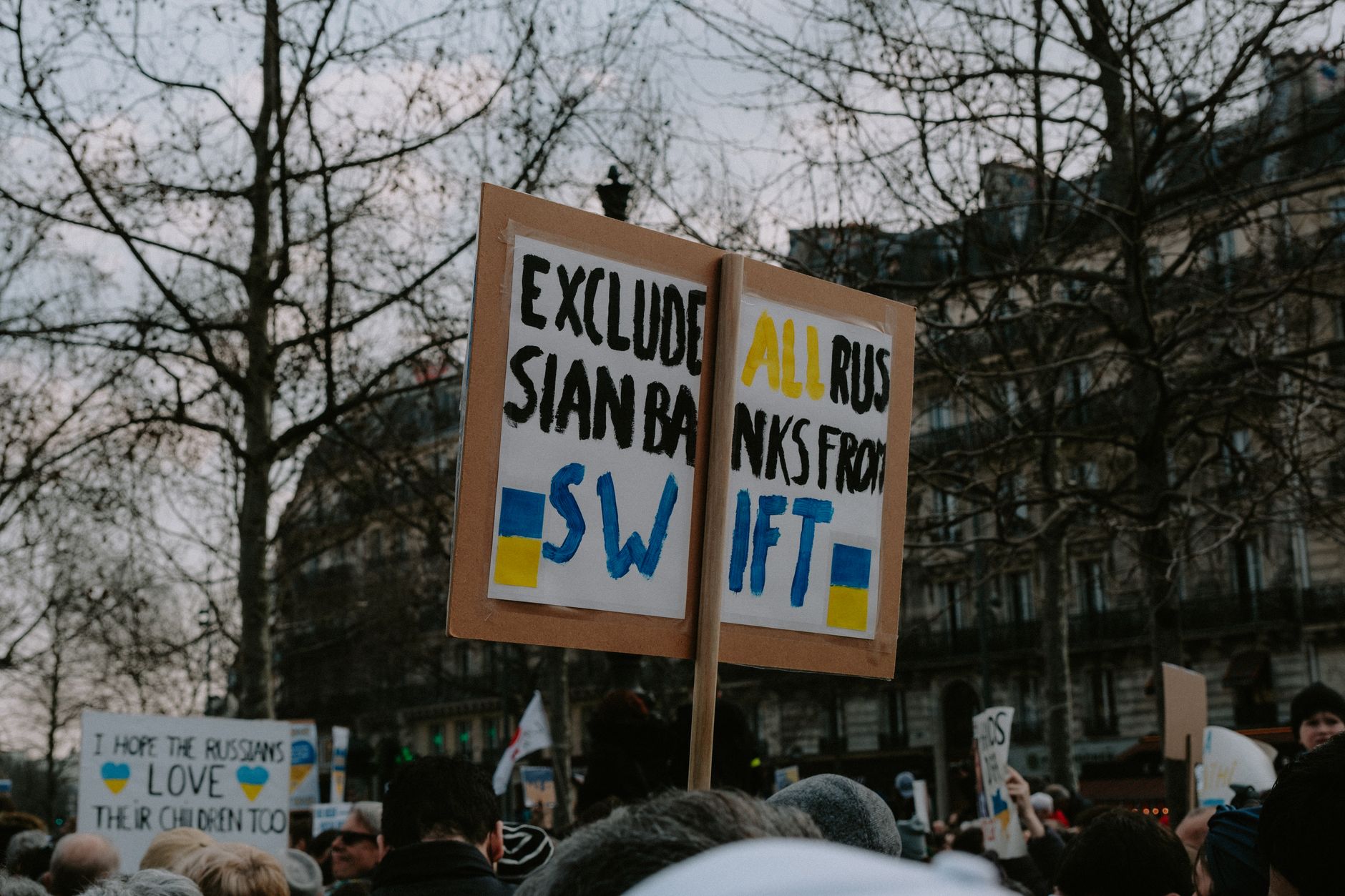
The U.S. Russia Sanctions Act is causing significant tension in international relations, particularly involving India. This escalation raises questions about the legal ramifications and diplomatic strategies moving forward.
Overview of the U.S. Russia Sanctions Act
The U.S. Russia Sanctions Act has emerged as a pivotal piece of legislation aimed at addressing the complex geopolitical tensions between the United States and Russia. Enacted in response to various actions deemed aggressive by Russia, this act imposes a series of economic and diplomatic penalties designed to deter further misconduct.
Key features of the U.S. Russia Sanctions Act include:
- Targeted Sanctions: The act specifically targets individuals and entities identified as complicit in acts undermining U.S. interests.
- Sectoral Sanctions: It includes restrictions on critical sectors of the Russian economy, such as energy and finance.
- Global Implications: Countries engaging with sanctioned Russian entities may face secondary sanctions, complicating international trade relationships.
Critics argue that the U.S. Russia Sanctions Act could exacerbate tensions rather than promote dialogue. The act’s broad scope raises concerns about its impact on global diplomacy, especially in regions like India, where balancing relationships between major powers is crucial. As the situation evolves, the effectiveness and consequences of the sanctions continue to be a topic of intense debate.
Impact on India’s Foreign Policy
The implementation of the U.S. Russia Sanctions Act has significant implications for India’s foreign policy, particularly in the context of its strategic partnerships. As India seeks to balance its relations with both the United States and Russia, the new sanctions pose a challenge to its diplomatic efforts.
India has traditionally maintained strong ties with Russia, especially in defense and energy sectors. The sanctions put forth by the U.S. could potentially limit India’s ability to collaborate with Russian entities, thereby impacting its defense procurement and energy security.
In light of the U.S. Russia Sanctions Act, India faces several critical considerations:
- Balancing Act: India must navigate its long-standing relationship with Russia while also fostering its partnership with the U.S.
- Strategic Autonomy: The sanctions compel India to reassess its dependence on Russian military hardware and explore alternative sources.
- Regional Stability: India’s position in the Indo-Pacific region could be affected by shifting alliances influenced by the sanctions.
Ultimately, the evolving landscape necessitates a careful and calculated approach from Indian policymakers to safeguard national interests.
Legal Consequences of Sanctions
The legal consequences of the U.S. Russia Sanctions Act are far-reaching and multifaceted. As nations navigate the complexities of international law, the implications of these sanctions can significantly alter diplomatic relationships. Among the most pressing legal concerns are:
- Violation of Sovereignty: Critics argue that the sanctions undermine the sovereignty of nations that conduct business with Russia, forcing them to choose between their economic interests and compliance with U.S. policies.
- Retaliatory Measures: Countries affected by these sanctions may impose their own restrictions, leading to a cycle of retaliatory measures that can escalate tensions further.
- Legal Ambiguities: The broad language of the U.S. Russia Sanctions Act leaves room for interpretation, potentially subjecting foreign entities to legal scrutiny and penalties.
- Impact on Global Trade: As nations reassess their trade agreements, the legal landscape of international commerce is shifting, with significant ramifications for global supply chains.
In summary, the legal implications of the U.S. Russia Sanctions Act not only affect the United States and Russia but also resonate on a global scale, impacting countries like India.
Responses from Russia and the U.S.
The U.S. Russia Sanctions Act has prompted strong reactions from both Russia and the United States, highlighting the increasing tensions between the two nations.
In response to the sanctions, Russian officials have labeled the act as an aggressive move that undermines international relations. They assert that the sanctions will not achieve their intended goals and have vowed to retaliate against U.S. interests. Key statements include:
- Russian Foreign Ministry: Condemned the sanctions, stating they are a violation of international law.
- Senator Alexey Pushkov: Claimed that the U.S. is trying to impose its will globally through economic pressure.
On the other hand, U.S. officials defend the U.S. Russia Sanctions Act as a necessary measure to deter Russian aggression and protect national security. Comments from U.S. leaders emphasize:
- President Joe Biden: Asserted that the sanctions are a clear message against hostile actions.
- Secretary of State Antony Blinken: Stressed the importance of holding Russia accountable for its actions.
The contrasting viewpoints reflect a deepening divide that may have lasting implications for international relations.
Future of International Relations
The future of international relations is increasingly uncertain as countries navigate the complexities introduced by the U.S. Russia Sanctions Act. This legislation has not only strained U.S.-Russia relations but has also prompted other nations to reassess their diplomatic strategies.
As nations weigh their options, several key factors are likely to shape the future landscape:
- Global Alliances: Countries may seek to form new alliances or strengthen existing ones in response to the sanctions, potentially leading to a realignment of power dynamics.
- Economic Implications: The sanctions could hamper trade relations, with countries like India needing to balance economic interests with geopolitical pressures.
- Military Posturing: An increase in military cooperation among nations opposing the sanctions may occur, leading to heightened tensions.
- Public Sentiment: Domestic political pressures may influence how governments respond to the U.S. Russia Sanctions Act, affecting their foreign policy decisions.
Ultimately, as the global community reacts to these sanctions, the potential for conflict or cooperation remains precariously balanced.
Expert Opinions on Sanctions
Experts have weighed in on the implications of the U.S. Russia Sanctions Act, emphasizing its potential ramifications on global diplomacy and economic stability. Many analysts argue that the Act may exacerbate tensions, not only between the U.S. and Russia but also among other nations caught in the crossfire.
- Dr. Emily Carter, a political analyst, stated, “The U.S. Russia Sanctions Act represents a fundamental shift in how nations engage with one another. It could lead to a more fragmented international order.”
- Professor John Adams, an expert in international law, noted, “The legal implications of these sanctions are profound. They could set a precedent for future legislative actions against other countries.”
- Maria Gonzalez, a foreign policy consultant, expressed concern over collateral damage, saying, “Allied nations may suffer economically, which could strain their relations with the U.S.”
As discussions continue, the consensus among experts suggests that the U.S. Russia Sanctions Act may not only be a contentious legal move but could also redefine the landscape of international relations for years to come.
Photo by Mathias Reding on Pexels