
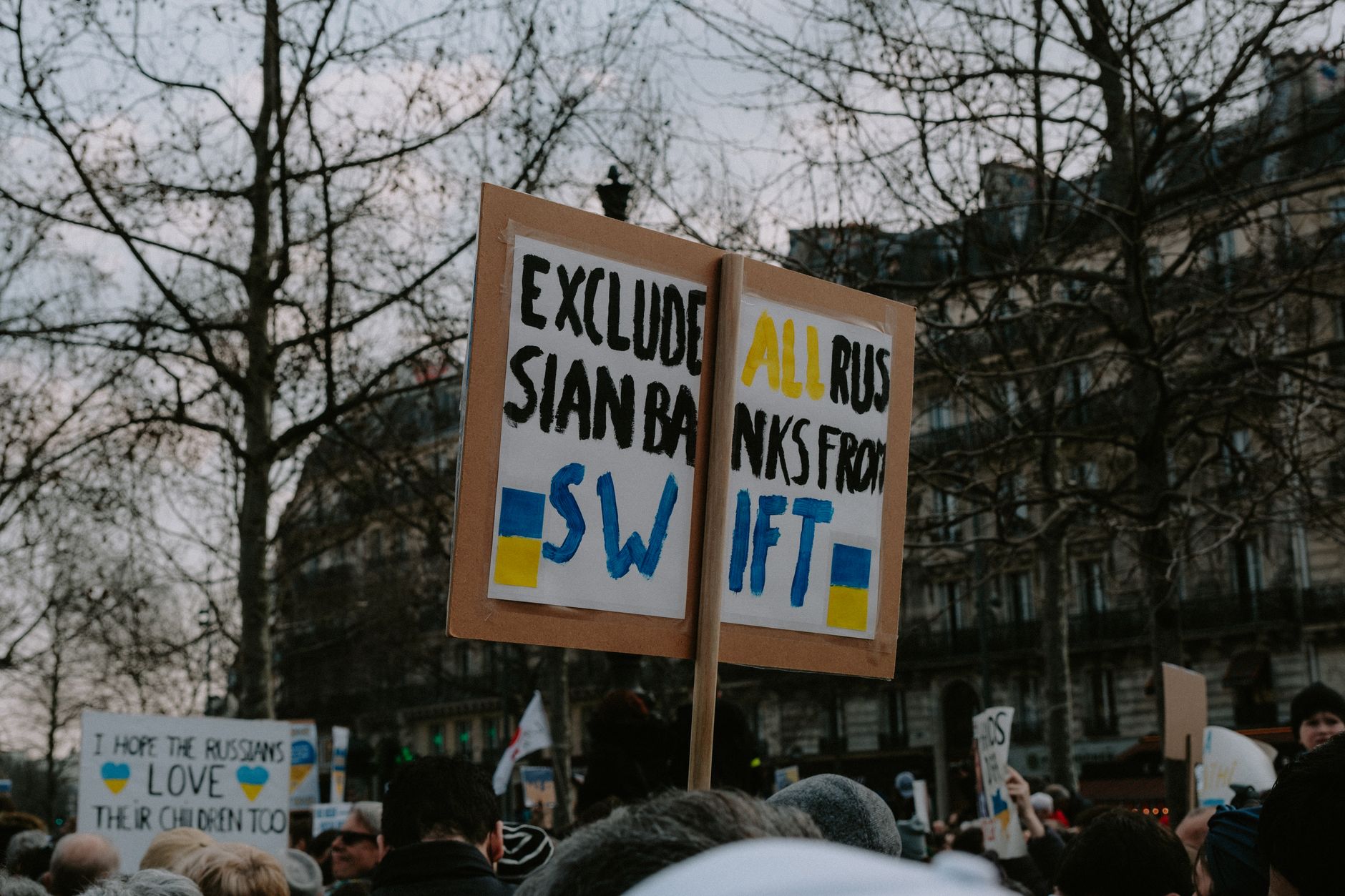
The US Russia sanctions law has led to a decline in textile stocks, with losses reaching up to 4%. This legislation raises tariff concerns for Indian exporters, affecting their market stability.
Understanding the US Russia Sanctions Law
The US Russia sanctions law has recently come into the spotlight as it imposes significant restrictions on trade between the United States and Russia. This legislation aims to curb activities that are deemed detrimental to US interests, particularly in sectors such as energy and finance. However, the implications of this law extend beyond these industries, affecting various markets, including textiles.
As the law tightens the grip on trade, textile stocks have experienced a sharp decline, with reports indicating a drop of up to 4% in some companies. This downturn is largely attributed to increasing tariff concerns for Indian exporters who rely heavily on the US market for their textile products.
The sanctions not only create uncertainty but also lead to fears of retaliatory measures from Russia, potentially escalating the situation further. The textile industry, which has been a significant contributor to India’s economy, now faces challenges that could hinder its growth potential.
Industry analysts emphasize the need for exporters to adapt to the changing landscape, as the US Russia sanctions law could redefine trade relations. Understanding these regulations will be crucial for businesses aiming to navigate the complexities of international trade in the current geopolitical climate.
Impact on Indian Textile Exporters
The recent implementation of the US Russia sanctions law has significantly impacted Indian textile exporters, leading to a wave of concerns regarding tariff increases and market access. As the law aims to penalize specific sectors in Russia, Indian textile manufacturers are left grappling with potential repercussions on their export activities.
Many industry experts believe that the sanctions could lead to an increase in operational costs for Indian exporters. The rise in tariffs may compel companies to reassess their pricing strategies, ultimately affecting their competitiveness in the global market. Key challenges include:
- Increased Production Costs: The implementation of new tariffs can result in higher raw material costs, directly impacting profitability.
- Market Uncertainties: Exporters may face difficulties in predicting demand patterns, leading to potential overproduction or shortages.
- Supply Chain Disruptions: The sanctions could complicate logistics, causing delays and additional expenses in transporting goods.
Furthermore, the Indian textile sector, which relies heavily on exports to various international markets, is now facing the challenge of re-strategizing in light of these developments. The full effect of the US Russia sanctions law is yet to be seen, but its influence on textile stocks has already been evident, with declines reaching up to 4% in recent trading sessions.
Market Reactions to Tariff Concerns
The recent enactment of the US Russia sanctions law has led to significant market reactions, particularly among textile stocks. Investors are increasingly concerned about the implications of these sanctions, especially as they relate to tariff increases. Many textile companies that rely heavily on exports are bracing for potential challenges, leading to noticeable declines in their stock prices.
Reports indicate that textile stocks have fallen by as much as 4% in response to the heightened uncertainty. This drop reflects a broader anxiety in the market regarding how the sanctions might affect trade dynamics and operational costs for companies engaged in international business.
Several factors are contributing to this downturn:
- Increased tariffs: The potential for higher tariffs on goods exported to Russia could strain the profit margins of Indian exporters.
- Supply chain disruptions: The complexities introduced by the sanctions may lead to delays and increased costs in the supply chain.
- Investor sentiment: A cautious outlook has taken hold, prompting many investors to reevaluate their positions in textile stocks.
Market analysts suggest that until the ramifications of the US Russia sanctions law become clearer, volatility in the textile sector is likely to continue. Stakeholders are urged to stay informed as the situation develops.
Future Outlook for Textile Stocks
The future outlook for textile stocks remains uncertain as the implications of the US Russia sanctions law continue to unfold. Industry experts warn that the ongoing geopolitical tensions could exacerbate challenges for Indian textile exporters, leading to further volatility in the market.
Several factors are likely to influence the performance of textile stocks in the coming months:
- Supply Chain Disruptions: Increased tariffs and trade restrictions may disrupt supply chains, leading to delays and increased costs for manufacturers.
- Consumer Demand: A potential decline in consumer demand, particularly in export markets affected by the sanctions, could negatively impact revenues for textile companies.
- Competitive Landscape: Competing nations may capitalize on the situation, potentially increasing their market share at the expense of Indian exporters.
- Regulatory Changes: Continuous adjustments to the US Russia sanctions law and related regulations could create further uncertainty in trade relations.
Investors are advised to monitor these developments closely, as they will play a crucial role in shaping the future of textile stocks. With the market already reacting to tariff concerns, the long-term effects of the US Russia sanctions law will require careful consideration and strategic planning by stakeholders in the textile industry.
Photo by Mathias Reding on Pexels